Edward Ofosu: Accra we dey!

Accra we dey or, rather, if you happen to be in Accra, Ghana this August. 2025, here is something for you. Thursday, the 21st of August sees the opening of the solo exhibition of the artist Edward Ofosu.

A former resident of London, UK, Ofosu is now based in Ghana making and riding the waves of the Accra art scene. While in London, Ofosu was on the forefront of the digital art scene. He was an early adopter of iPad art, which he speedily mastered leading him to transition from being an art student to teaching digital art at the Hampstead School of Art, in north London. Even Apple Inc., the purveyors of the iPad fell under the spell of Ofosu’s zeal for iPad art and he was hosted to give masterclasses in iPad art at the Apple Store, Covent Garden, London.

He was an early adopter of iPad art, which he speedily mastered…

Portrait of legendary British artist David Hockney.
David Hockney by Edward Ofosu 2014 (iPad art)

Ofosu is a keen disciple of the legendary artist David Hockney. In Hockney, Ofosu recognised a kindred spirit.

Ofosu is a keen disciple of the legendary artist David Hockney, in whom Ofosu recognised a kindred spirit. Hockney, despite being a veteran of the international art scene from the 1960s onwards, stepped into the 21st century, embracing digital art.

With this solo exhibition, entitled Rhythm of the Soul, Ofosu aims to be a dancer giving himself over to “art to express itself through me” as it sees fit, be it through painting, sculpture or installation. Rhythm of the Soul, will be Ofosu’s second show at the La Foundation of Art, Accra (LAFA). He debuted at LAFA with his contribution to the group show In Search of Blue in 2024.

With Rhythm of the Soul Ofosu uses the media of “locally sourced repurposed and environmentally conscious materials”. He pairs his consciousness media with social issue subject matters. A LAFA Instagram post features Ofosu installing a large appliqué entitled Another Black Boy Got Shot. With his considered media and thought provoking themes Ofosu moves away from his beloved digital art and his years of portraiture practice.

Ofosu’s (@edward_ofosu_artist) solo show, Rhythm of the Soul, at the LA Foundation for the Arts, 144 La Road, Accra (@lafa_foundation), runs from August 21 to September 21.

Posted in Art exhibition | Tagged , , , , , , , , , , | Leave a comment

It’s Not Spring Yet!

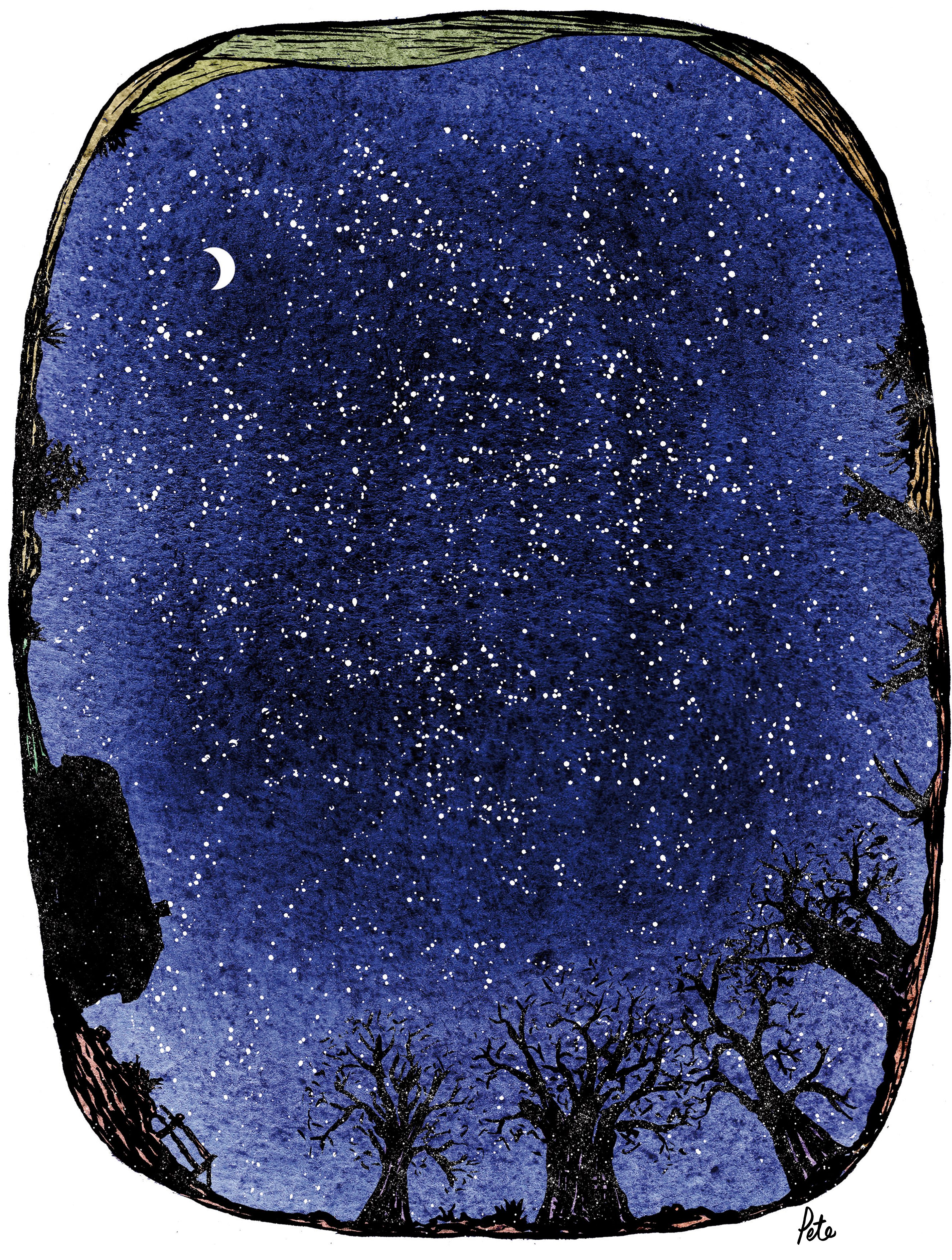
So, it’s not spring yet, well that’s because the rich deep colours of the winter months still have much to offer. It will be a shame to dispense with the desires to cuddle and snuggle so early in the year. Peter Webb’s The Year in 12 Scapes II explores stubborn winter desires, rich English meadow greens and mysterious deep blues. The illustration uses the elements unique to the Valentine month to create subliminal images.

Peter Webb, The Year in 12 Scapes II

Inspired by the palette of the Pre-Raphaelites The Year in 12 Scapes II’s blend of velvet hues are hypnotic. Inviting you into the landscape it depicts, its colours beg you to explore its depths and unlock its mysteries.

This is a piece of art that needs to be gazed at intermittently over the course of years. Explore the allure of The Year in 12 Scapes II, share and subscribe for Peter Webb’s next instalment. You can also revisit The Year in 12 Scapes I.

Posted in Galleria Klik Artist | Tagged , , , , | Leave a comment

Say hello to January (again! 😯)

Well it’s The Year in 12 Scapes so we had no choice but to start with January.

Peter Webb, The Year in 12 Scapes I

The artist illustrator, Peter Webb, has reimagined the calendar year in 12 colourful illustrations, invoking the essence of each of the 12 Gregorian months. Each of the images depicting the months is inspired by the Somerset landscapes of his childhood.

Take a look at The Year in 12 Scapes I, share, stay tuned and look out for February.

Posted in Galleria Klik Artist | Tagged , , | Leave a comment

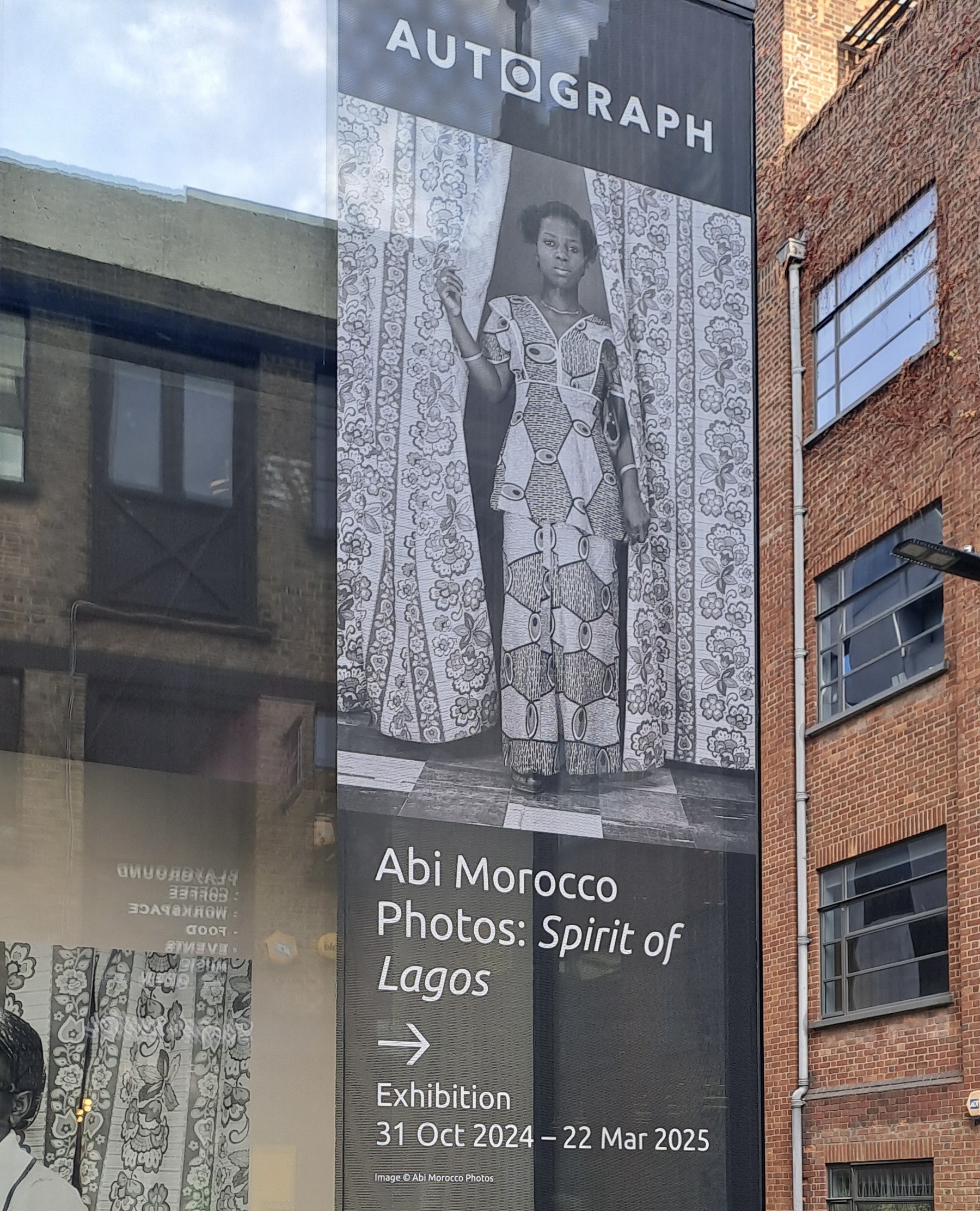
Abi Morocco Photos: Spirit of Lagos at Autograph

Abi Morocco Photos: Spirit of Lagos at Autograph London reveals an African agency of modernity, the knowledge of which surprisingly is just recently being revealed to the West.  The exhibition is a window on the thriving and burgeoning metropolis of Lagos in the 1970s. Lagos was booming then in the 1970s because it was the capital of Nigeria where crude oil, the black gold, had just been discovered and the toddler republic was making its debut on the global economic stage.

Abi Morocco Photos was curated by Lagos Studio Archives and Bindi Vora. Lagos Studio Archives “is an ongoing cultural preservation and artistic project”. The project’s goal is “to preserve … the legacy of Nigerian studio photography”. The process of preserving includes broadcasting the unique aesthetic and philosophies of this rich cultural archive through, for example, exhibitions such as Abi Morocco Photos at Autograph London. Lagos Studio Archives’ endeavour is no mean feat coming with manifold challenges. 

The project’s goal is “to preserve … the legacy of Nigerian studio photography”.

One challenge is finding the life works of the photographers and studios, as the project itself highlights that it was inspired by the discovery “that many archives were being destroyed, discarded and stored away in humid conditions”. It is the conditions that many film negatives that the project eventually finds that poses another challenge, as this demands the time intensive tasks of sorting, cleaning and attempting to salvage material that had been poorly stored for decades. Salvaging and making swingeing decisions about cultural and historically significant materials is emotive.

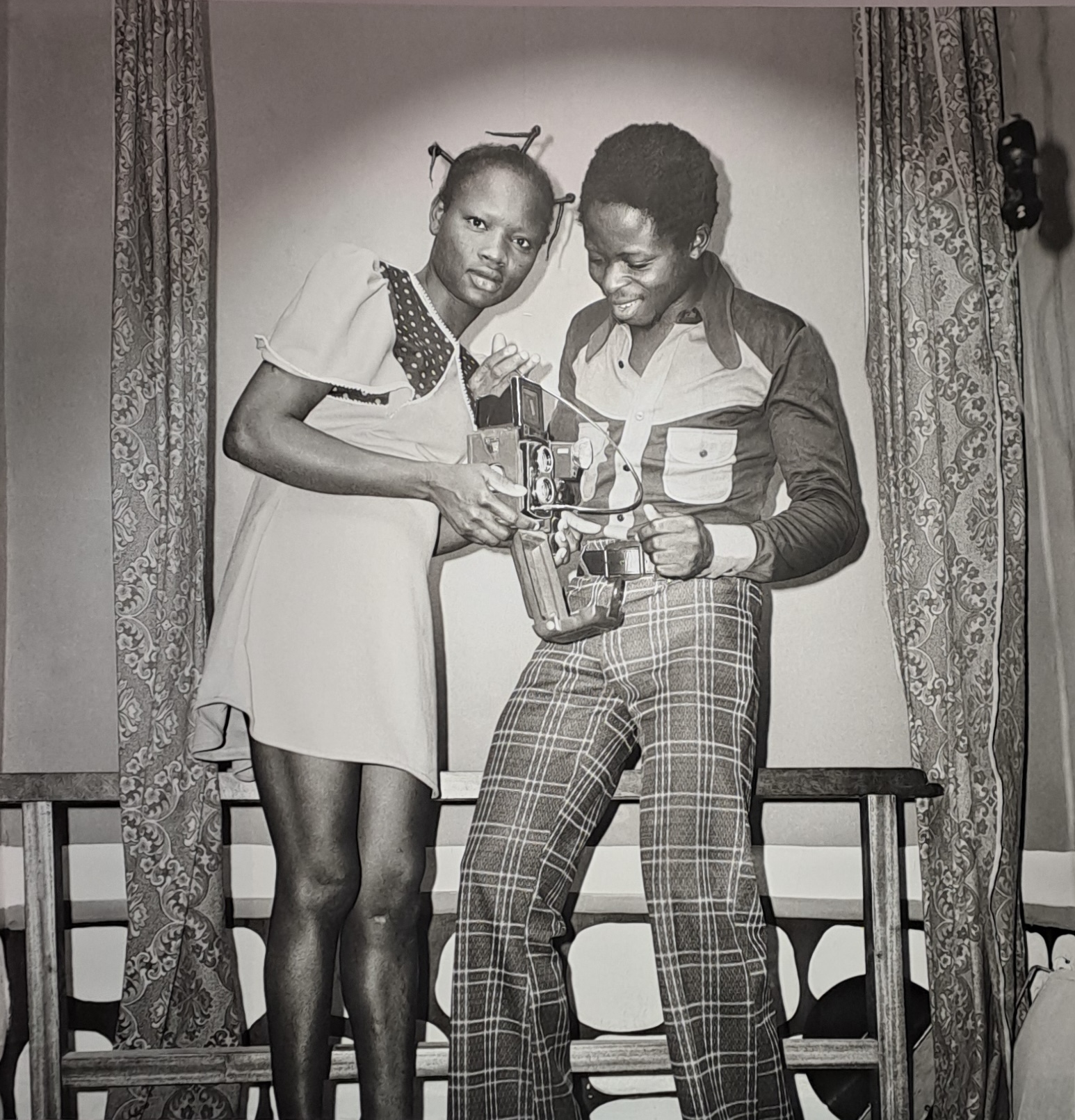
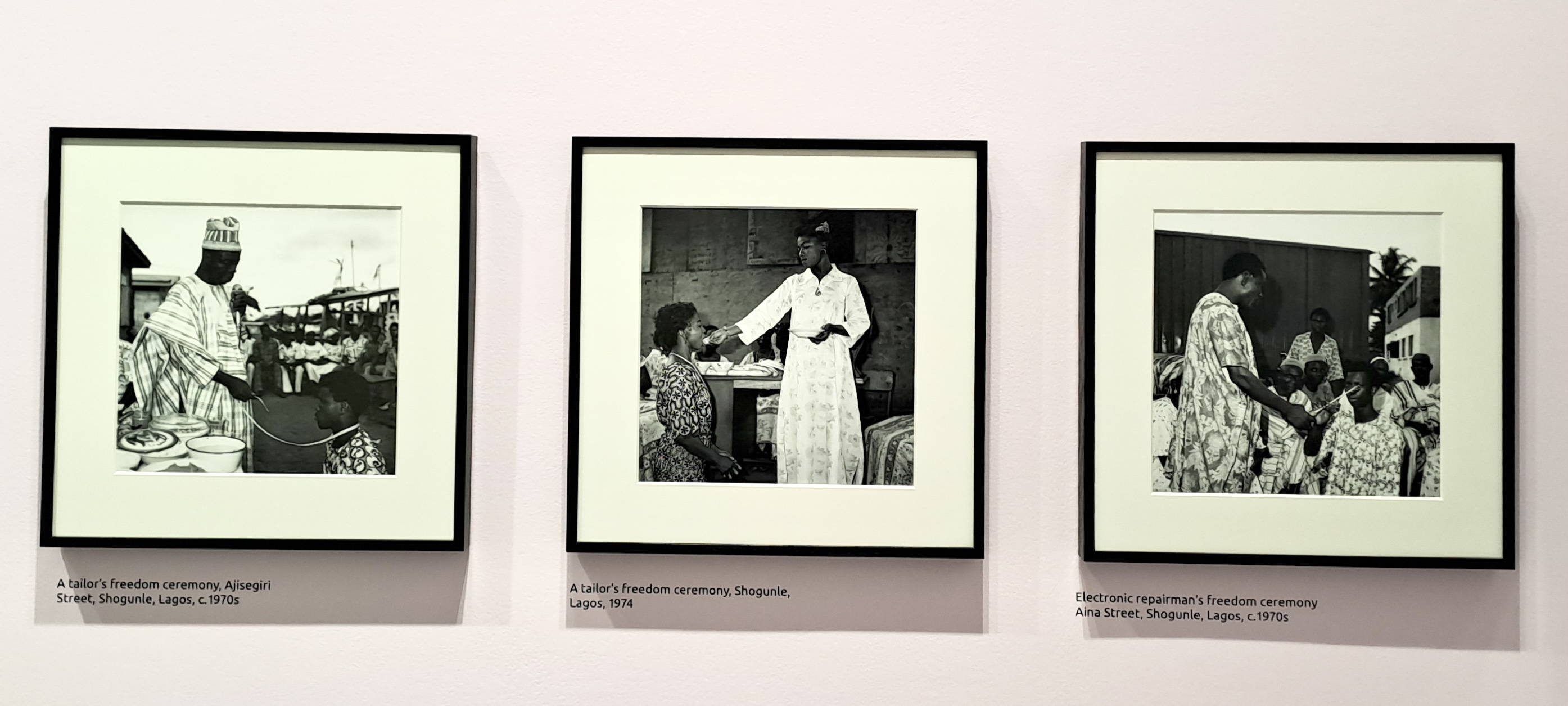
Abi Morocco Photos is a capsule look into the life of Lagosians in Nigeria’s booming 1970s. What the exhibition presents is broadly labelled studio portraits, studio photography or African studio portraiture, however much of what you see takes place outside of the studio and is a lot more fascinating than mere portraiture. In spite of this being more than portrait photography the photographs in the show tell the story of self-fashioning which is essentially what commissioned studio portraiture is about. Taking the beauty of self-fashioning out of the photo studio and infusing it with the daily lives, work and play of Lagosians to tell an engaging aesthetic story was the genius of the photography the married couple, Abi Morocco Photos and their numerous fellow Lagos and wider Nigerian photographers. 

That the performance is captured at its optimum and at the key moment is the concern of both the patron and the photographer.

To the extent that photos of this exhibition are “beguiling portraits” is due to how the photographs are infused with indigenous practices, faith beliefs and ideas of cultural self-expression. The sitters who are the patrons who have commissioned the photographer are in full collaboration and are co-creators with the photographer in the process and act of performance. That the performance is captured at its optimum and at the key moment is the concern of  both the patron and the photographer. 

Abi Morocco Photos: Spirit of Lagos is an insight into unique expressions of modernity and practices not duplicated across other cultures. Located in London with its cosmopolitan population, the exhibition is an opportunity for intriguing travel back in time to another part of the world and distinct culture, without taking an air flight. The traveller will see curious practices and will ask questions of these photos. These will be apt questions about the photographs’ performative story and the fascinating richness of their detail. 

Both the exhibition and its content are a labour of love. The exhibitions content is the output of Abi Morocco Photos, a husband and wife run studio and business partnership that thrived over decades. Continuing in the spirit of long commitment, is the exhibition itself which is the result of years of work by Lagos Studio Archives, a project began in 2015, tasked with and inspired by the rise to a challenge. 

Abi Morocco Photos: Spirit of Lagos is at Autograph, London until the 22nd of March 2025. This a free exhibition you can book in advance to visit. 

Posted in Art exhibition, GK Reviews | Tagged , , , , , , , , | Leave a comment

Random art around London

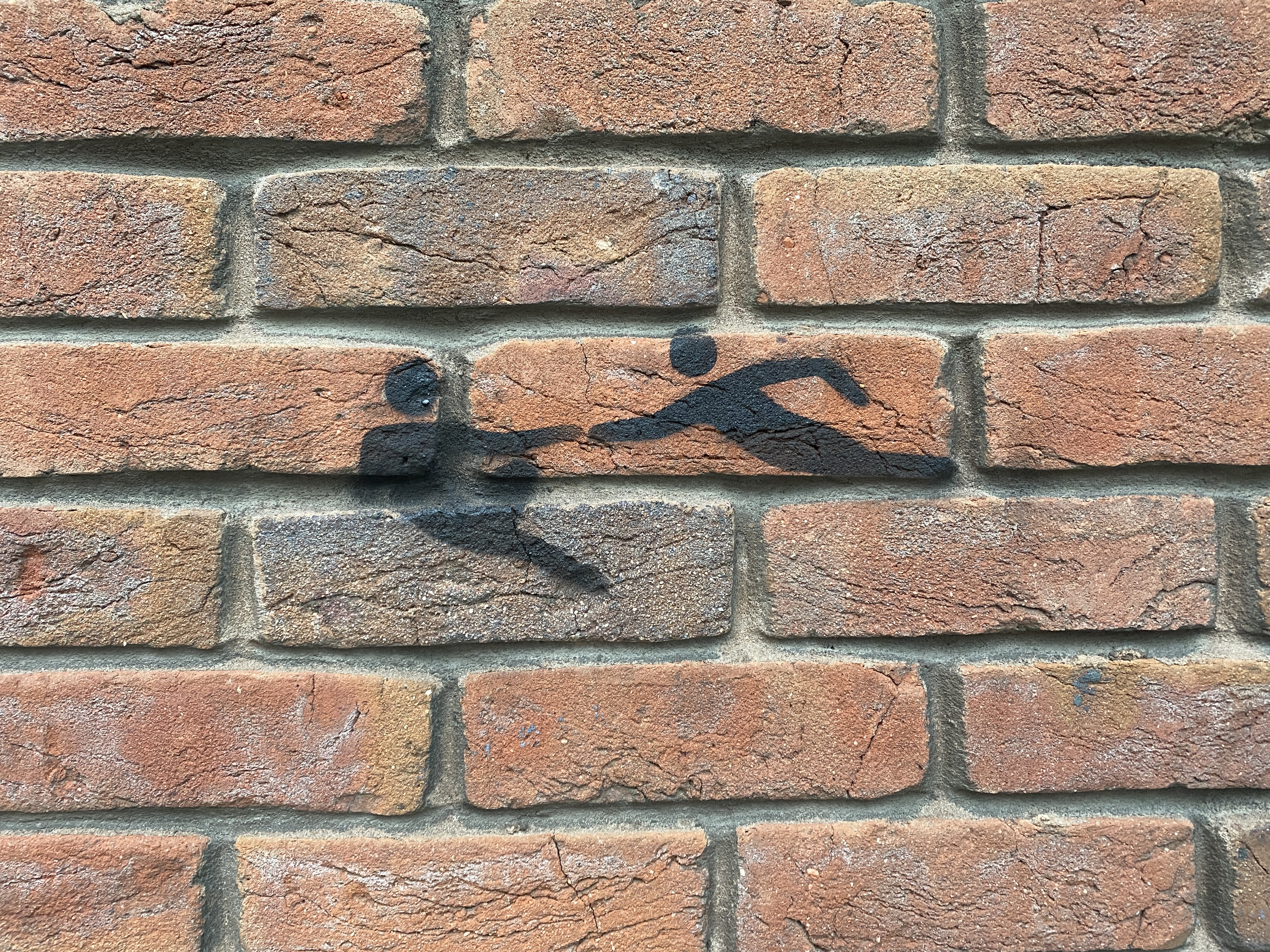
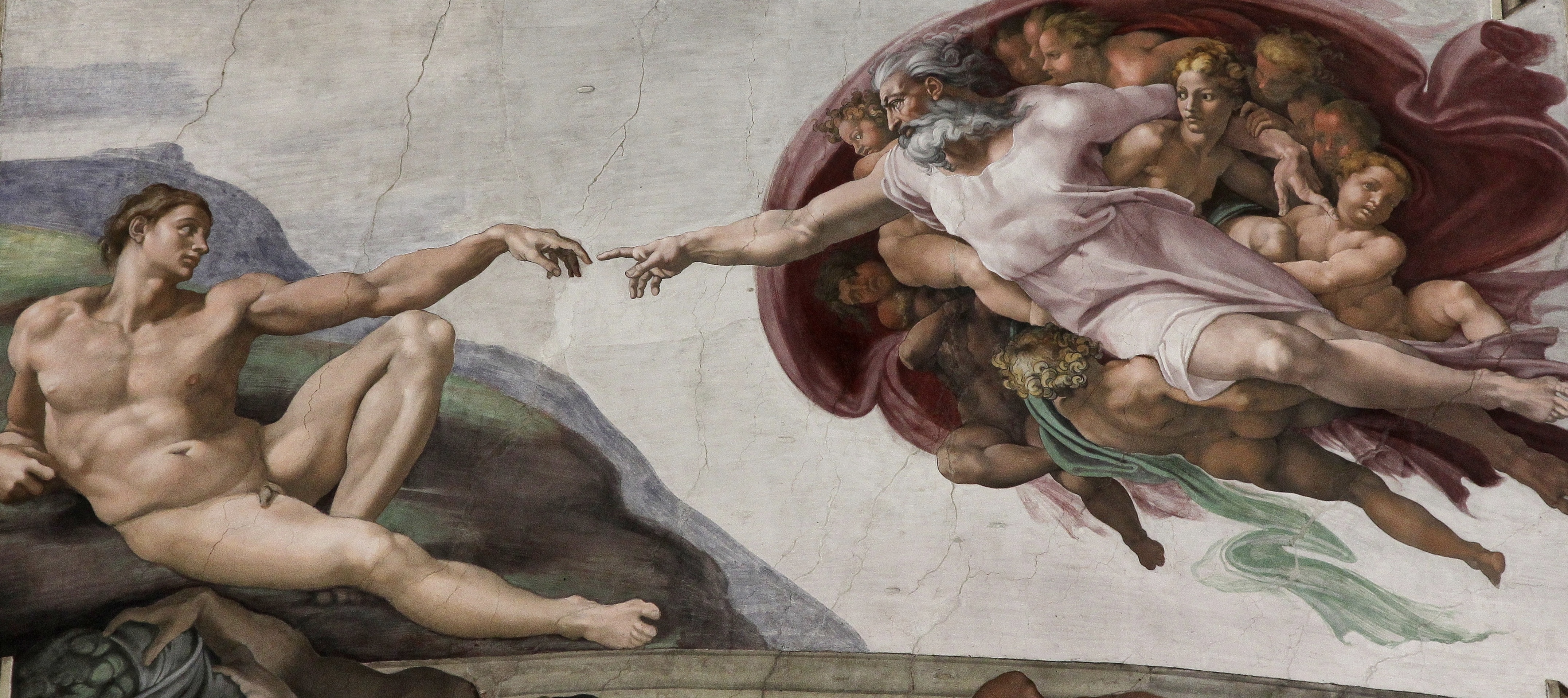
Red brick wall with art stencilled on it in black. Michelangelo’s 16th century 'Adam's Creation’ reimagined by 21st century artist in 2024.
Adam’s Creation by Michelangelo reimagined, Artist: unknown, 2024 Location: Somewhere in London

The inspiration

Adam's Creation by Michelangelo c. 1508–1512, Location: Sistine Chapel, Rome
Adam’s Creation by Michelangelo c. 1508–1512, Location: Sistine Chapel, Rome
Posted in Art | Tagged , , , | Leave a comment

Black History Month finds on Galleria Klik

Engage with Contemporary African, African-American and Black British art and artists with these publications and galleries on Galleria Klik.

Bola Adamolekun

Anla Ayodele

Scroll through Bola Adamolekun’s gallery and subscribe for updates on the gallery and our late 2024 launch of the artist.

Scroll through Anla Ayodele’s gallery and subscribe for our late 2024 launch of the artist’s limited edition prints.


The Black Atlantic

Voyage with a range of Non-Western and Western artists and their ideas of the double-consciousness of Blackness through any one of these publications.

Posted in GK Gallery | Tagged , , , , , , , | Leave a comment

2024 Black History Month: South Africa Calling

October 2024 is the United Kingdom’s annual Black History Month, however the mood on this front seems tempered. But do not despair, there are exciting undercurrents. 

One of the interesting happenings are the exhibitions that seemed to be linked through some, probably coincidental, themes. The specific example here is the exhibitions Zanele Muholi at the Tate Modern London and Ernest Cole: A Lens in Exile at Autograph London. So, what do these two exhibitions and hence featured artists have in common? Apart from both artists being photographers, they are specifically both South African photographers. But these are not just any South African photographers, while Muholi today addresses the issues of sex, sexual and gender-based discrimination, Cole over half a century earlier, was operating in the thick of the racial discrimination of South Africa’s apartheid in the 1960s. Both are tied by the social malaise of violence triggered and spurred on by discrimination.

Zanele Muholi at the Tate Modern London, “Faces and Phases” room in the exhibition

Ernest Cole is the forebear of Zanele Muholi in almost every sense and realm, but most especially politically. Cole’s mission, fore mostly was to broadcast the horrors of apartheid in 1960s South Africa, using the voice of and through the eyes of the Black victims of the racially oppressive system. This he did effectively through his visceral photo volume House of Bondage published in 1967, when was 27. 

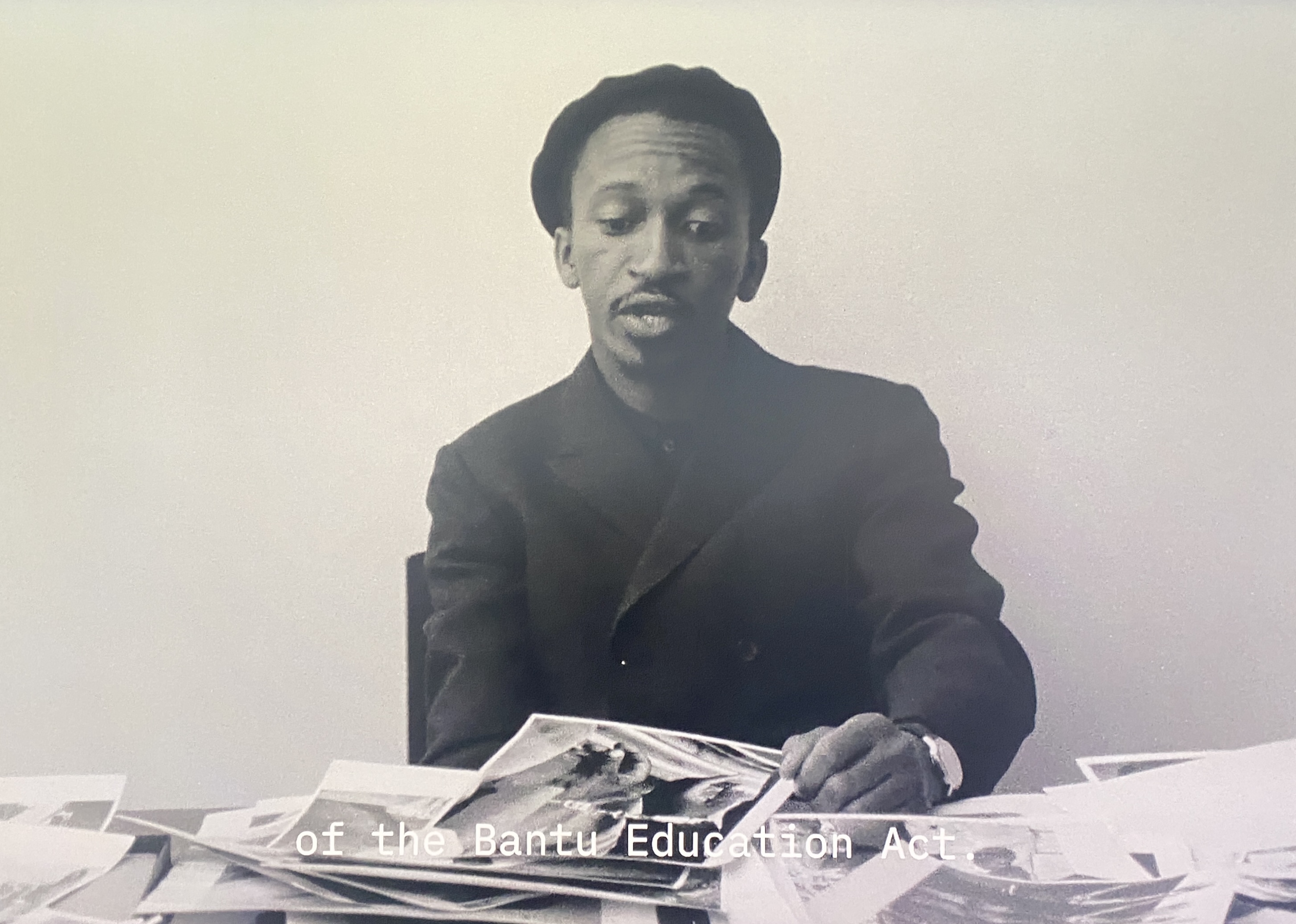
Ernest Cole. Clip from Photography as a Social Weapon, Swedish Television (SVT), 1969, video installation in the exhibition Ernest Cole: A Lens in Exile,

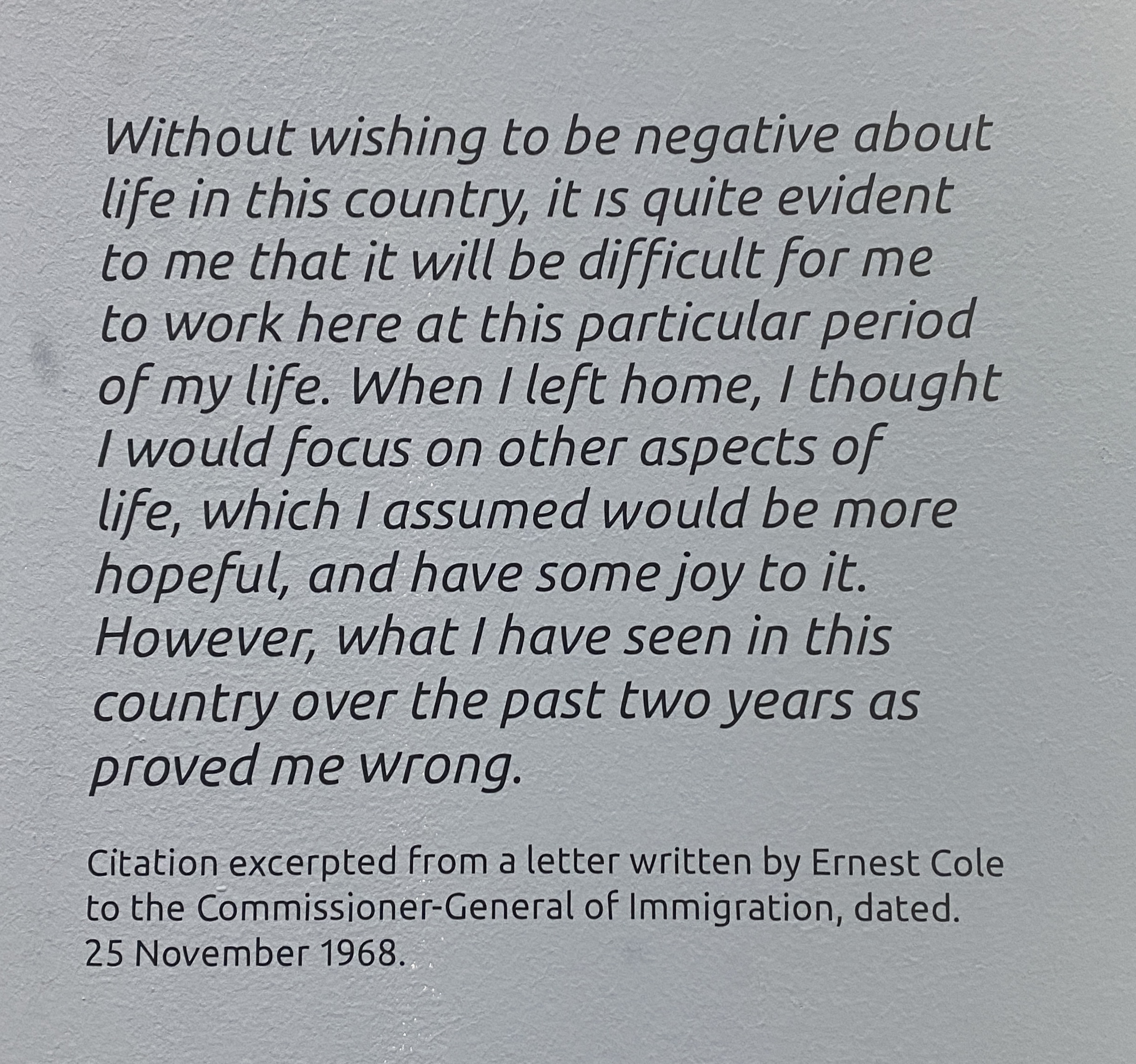
The exhibition is an insight into Cole’s soul. Despite his mission and passion Cole is revealed to be a reluctant “chronicler of misery, injustice, and callousness”.

As the title of the exhibition hints, Ernest Cole: A Lens in Exile at Autograph London is not about the misery of apartheid in South Africa. The exhibition nevertheless is about racially triggered political misery as it unfolds in the USA at the height of the 1960s Civil Rights movement, as seen through Cole’s lens and in effect eyes. The exhibition is an insight into Cole’s soul. Despite his mission and passion Cole is revealed to be a reluctant “chronicler of misery, injustice, and callousness”. This will not be news to those who battle racial strife and political misery daily, which over time are mentally, emotionally and physically tiring. 

From Ernest Cole: A Lens in Exile at Autograph London 2024

…Muholi impresses on us that the struggle continues in certain important quarters, despite our perceived social strides.

While these two exhibitions running at the same time might be a coincidence, the parallel of Cole and Muholi is apt, and more so, timely for the UK’s Black History Month of October. In tandem with Black History Month, Cole reminds us of the efforts of the forebears in the international fight for Black emancipation, while Muholi impresses on us that the struggle continues in certain important quarters, despite our perceived social strides. Zaneli Muholi is on at Tate Modern until 26 January 2025. Ernest Cole: A Lens in Exile at Autograph ends on 12 October 2025 and it is probably that the exhibition would have ended by the time this essay hits the newsstands. However, there are opportunities to engage with Ernest Cole online to, for example, continue the comparisons with Muholi. Here are some of these opportunities: 

For regular updates on art news, views and reviews like this, subscribe to Galleria Klik.

Posted in GK Reviews | Tagged , , , , , , , , , , | 3 Comments

Who exactly are America’s Black artists?

Soul of a Nation shines a bright light on the vital contribution of Black artists to a dramatic period in American art and history.

So reads every promotional material for Tate Modern’s Soul of a Nation exhibition.

Soul of A Nation

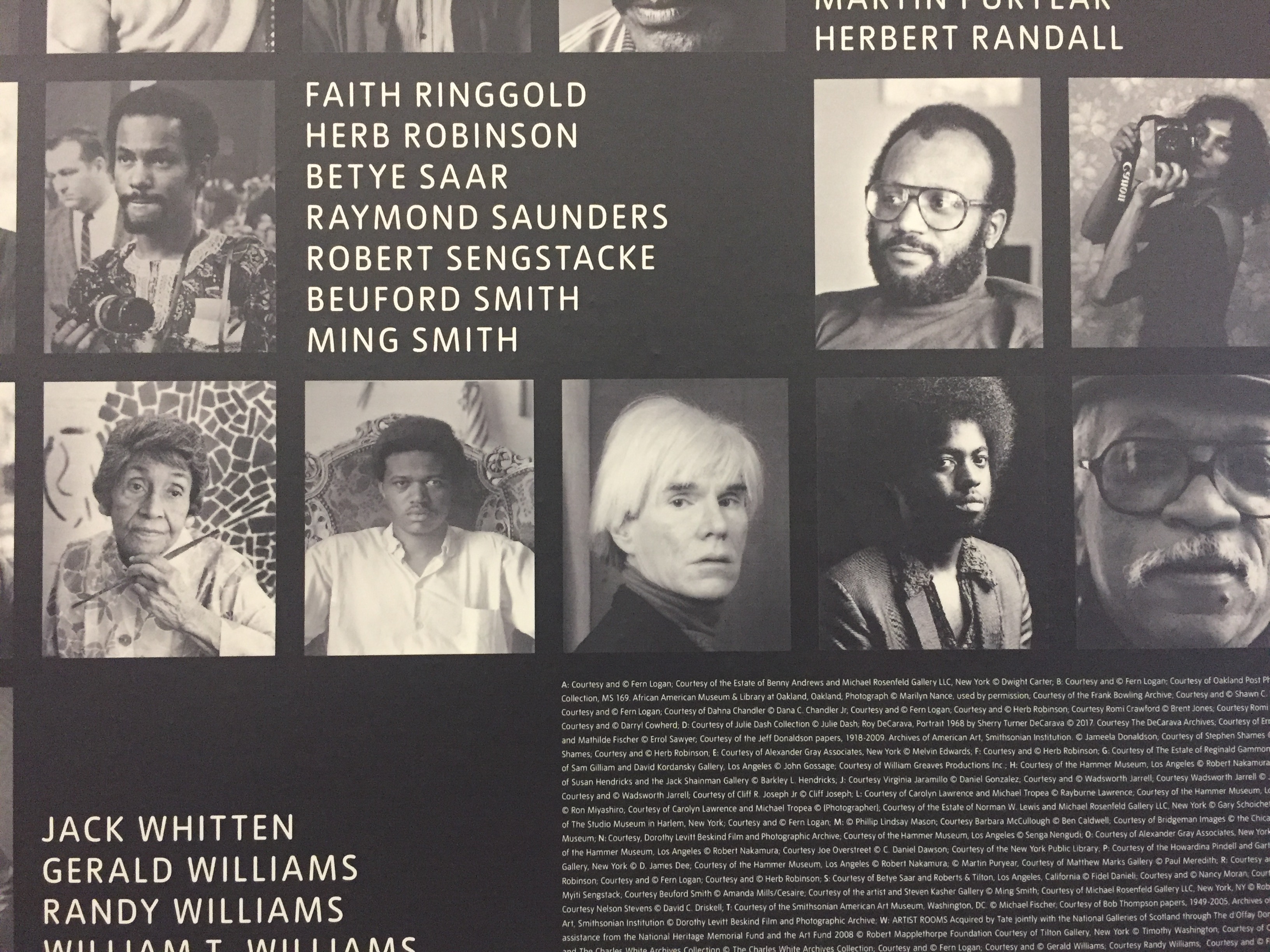
Detail from Tate Modern’s Soul of A Nation poster/exhibition guide

How does being an American Black artists work then?

More on Soul of a Nation on the Galleria Clic blog.

Posted in Art exhibition | Tagged , , , | 1 Comment

Norman Lewis, Processional, 1965: A Not So Black and White Perspective

Processional (1965) by Norman Lewis is just one of the many engaging artworks in the Soul of a Nation exhibition at the Tate Modern, London. While being one amongst the many, Processional stands out as uniquely striking in its simplicity. However this simplicity of form does not translate into an easy reading of the painting itself and in spite of being an abstract piece the feeling the image gives is that there is something to be read into its abstraction.

IMG_8400

Norman Lewis, Processional, 1965

Seeing the story to be read out of or into Processional depends on where you are standing as you contemplate the image. Facing the painting head on and you might not get the message of the painting, unless you have a conscious understanding of perspective; hence pun intended you might not get a sense of its perspective. Writers on visual culture like to tell us that perspective is a cornerstone of the western way of seeing and hence westerners automatically see perspective.1 It is recognising this Western way of seeing that would lead you to understanding the message that Lewis is aiming to convey.

In obeying the visual prescription of perspective Lewis is communicating that he understands and is a signed up member to the values of the civilisation that he is painting within. His communication in this instance was with the critics contemporary to the period of the original display of Processional. It is when you apply the rule of perspective that you also gain a sense of the aforementioned values that Lewis is presenting. In Processional the questions raised on values are manifold.

There is a dichotomy to the values that Lewis addresses in Processional, hence the strong contrast of black and white he employed in the painting is very telling. Lewis in this instance takes full advantage of the remit to produce pieces in monochrome black and white that was given to Spiral; the artist group Lewis was a part of.2 Processional along with the monochrome works of other Spiral artists were shown in a group exhibition in 1965.3 Lewis’ black and white Processional is not so black and white; the dichotomies on display are not so cut and dried. For example is this a painting of a procession of the KKK in the dark of the night or is this an abstraction of the proverbial light at the end of the civil rights tunnel? Furthermore, a plausible assumption is that this an abstraction of a procession of a congregation of Negro spiritualists, however this begs the question of what is the significance of the bold black borders? Lewis’s abstraction is purposefully minimalist yet effective in its complexities.

Notes
1. David Bate, The Key Concepts of Photography (Second Edition) (London; Oxford; New York: Bloomsbury, 2016)
2. Tate Modern, http://www.tate.org.uk/art/sound-of-a-nation
3. Tate Modern, http://www.tate.org.uk/art/sound-of-a-nation

Posted in Art exhibition | Tagged , | Leave a comment

Documenta 14: Parthenon of Books

Marta Minujín’s Parthenon of Books is easily the centrepiece of Documenta 14, the 2017 instalment of the five-yearly Documenta held in Kassel, Germany. The Parthenon of Books qualifies as the centrepiece because it stands out physically, as an idea and a philosophy. The philosophical question I drew from it is: What is truth and why should we be afraid of it?

The idea that the written word in one part of the world causes turmoil in another part of world is interesting. While being interesting it is also very real and happening. While I am not sure about the pen being mightier than the sword in the Parthenon of Books we see them going head to head.

Marta Minujín, Parthenon of Books

Marta Minujín’s Parthenon of Books at Documenta 14

Harry Potter is Dangerous!

Harry Potter is Dangerous in some parts of the world! (Parthenon of Books), Documenta 14, 2017

See more Documenta 14 highlights here.

Posted in documentA | Tagged , , , , | Leave a comment