It is back to school for Galleria Klik just as it is for everyone else. And nothing says school better than books. Books are still very present, relevant and cherished in our digital reality, despite the condensed media of smartphones or notepads and the onslaught of podcasts, vlogs and social media posts. Our compact handheld devices now sit comfortably with traditional books in the hands of the avid reader. All media are sources of knowledge be they digital, analogue or traditional. In case anyone is wandering what traditional is, as opposed to analogue, traditional sources of knowledge are the instructions you receive from leaders and colleagues, the stories Gran told you, the gems of wisdom and poetry from friends and the spoken-word artist. Some will call all of the above and more oral traditions. Books meant spoken words were preserved for posterity and knowledge was disseminated more and effectively efficiently.
Books are still very present, relevant and cherished in our digital reality, despite (…) the onslaught of podcasts, vlogs and social media posts.
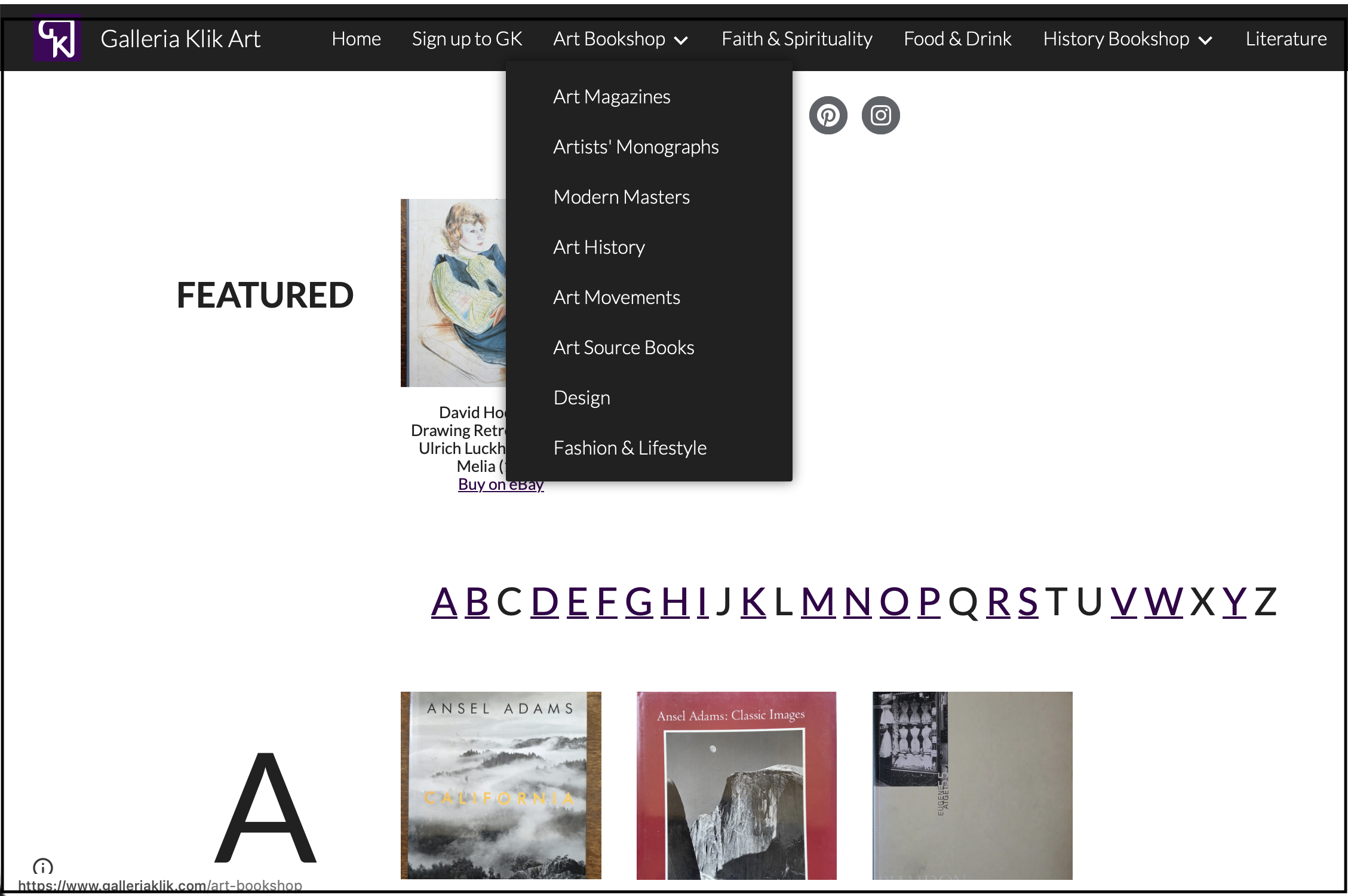
At Galleria Klik we have built a surplus library of art books, thanks to our obsession with and decades of practice in the arts . Now the time has come to share this library of art books with the world. This means at Galleria Klik we will be shifting our focus momentarily from art to books on art. The Galleria Klik art library covers the whole gamut of art in all its guises, hence our collection covers both art appreciation and art practice.
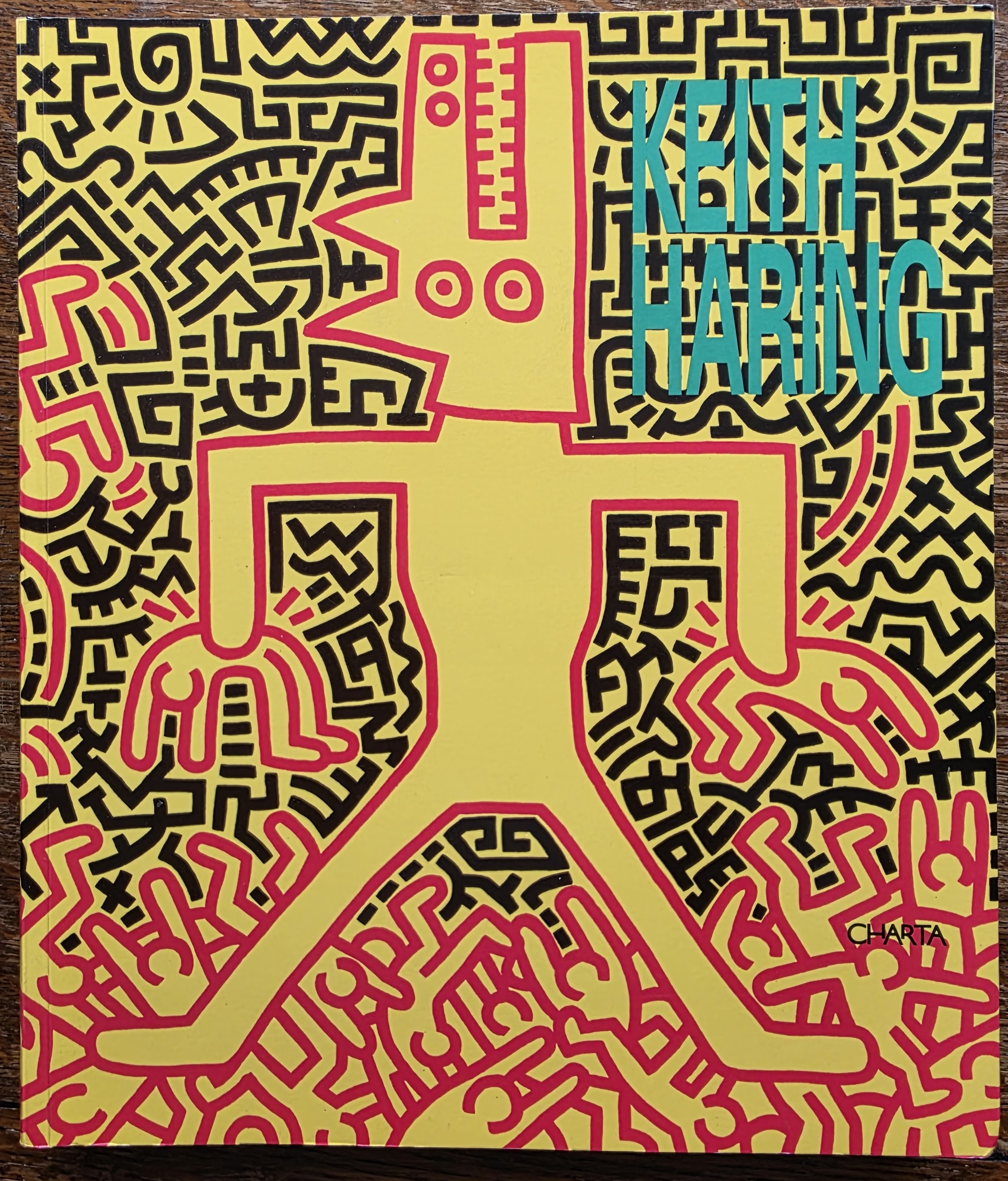
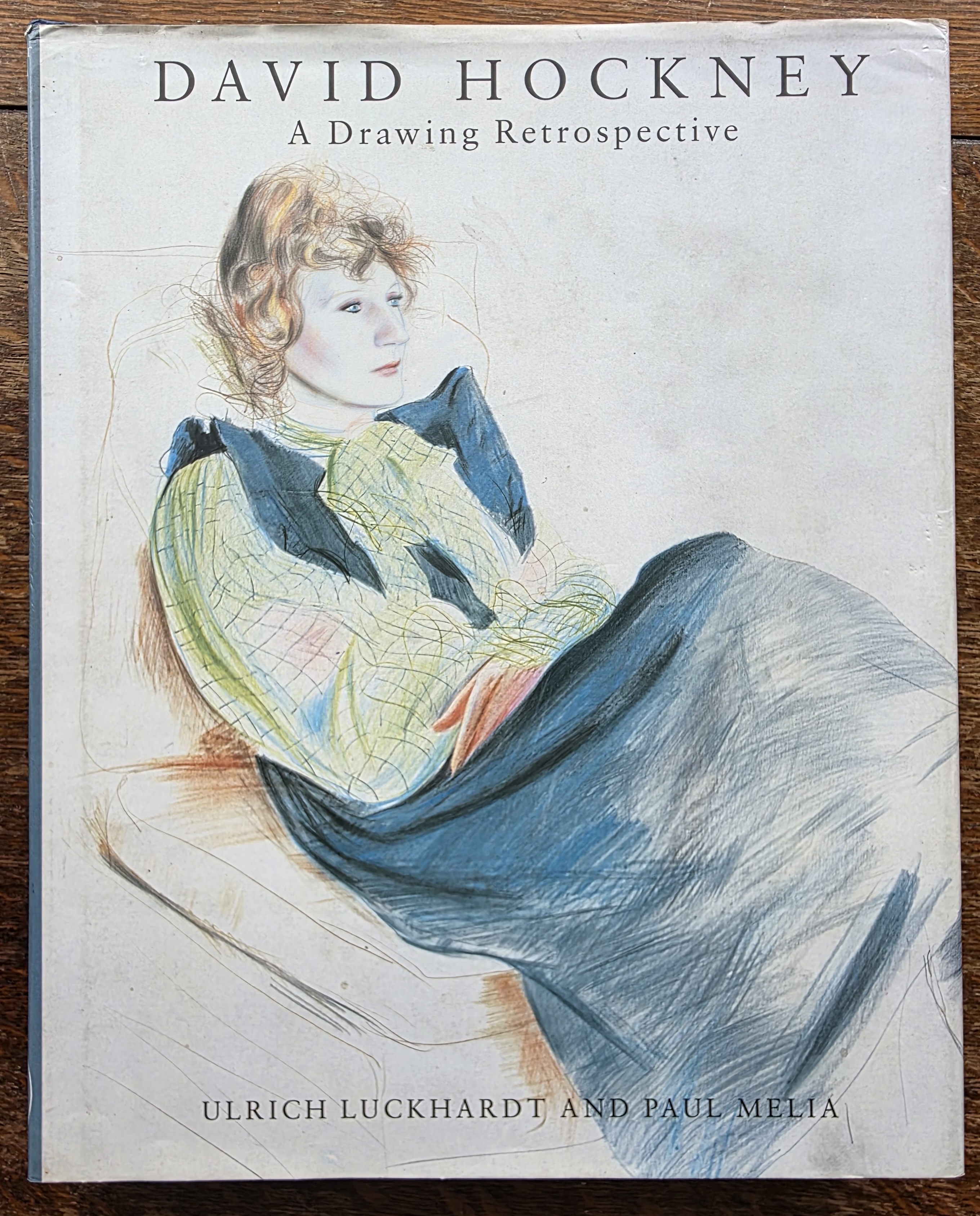
For those into art appreciation or collecting art visit the Artist’s Monographs pages. Monographs are both educational and art objects in themselves. As exhibition catalogues, monographs fulfil the former role as founts of art history knowledge. In the latter status, many monographs are beautifully designed to reflect the art they cradle within their pages. In their state of beauty they serve as coffee table books displayed to be admired as objects of taste and status.
Artist monographs are both educational and art objects in themselves.
For the artist, artist in you or the artist in your life, there are Art Source Books, instruction and Design books. Whatever calibre of artist you are, or are seeking a gift for, these books are either valuable components of a knowledge library, pieces of sought-after art and design history, potential treasured keepsakes, or all three combined. Beyond the arts, the GalleriaKlik.com offers biographies, food and drink publications, and books on history as well as a range of sought-after fashion and lifestyle magazines.
Our art library is continuously being expanded with new categories and the addition of publications to existing categories. You can get updates on developments on GalleriaKlik.com by subscribing to the GK Art Notes blog. You can also follow us on Instagram, Pinterest and eBay.
Winsome Pinnock tells a good backstory. This is a deft tool because Pinnock’s plays are built on a foundation of big histories. Combining a historical backstory with a lineup of fierce female characters, Pinnock, in The Authenticator, pointedly addresses the popular saying “history is written by the victors”. That there are victors in relation to historicity tells us that there are human costs to telling a story. Every human story has different perspectives, in essence a story of winners and losers, where the loser’s perspective never surfaces. The worst losers historically, we know, have been disenfranchised black women. It is these black women, and their stories within the history of slavery and colonialism, that Pinnock seeks to recompense in her plays.
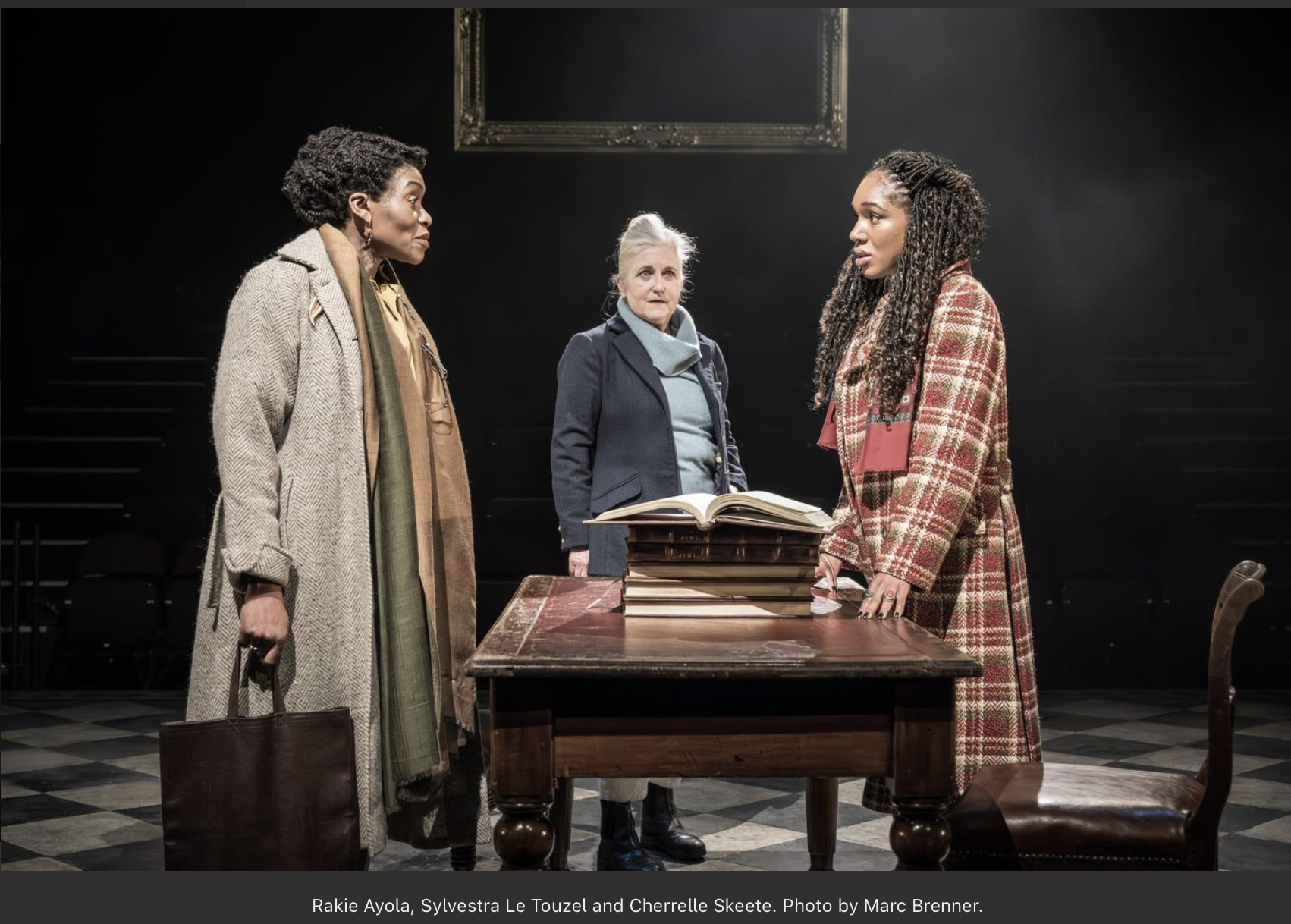
Each character displays a degree of feistiness in her unique way. All the actors were stellar and their dialogue flowed seamlessly holding your attention.
A backstory of academia belies the feistiness of the all-female cast of The Authenticator. Each character displays a degree of feistiness in her unique way. All the actors were stellar and their dialogue flowed seamlessly holding your attention. Rakie Ayola as Abi the Nigerian senior academic and Sylvestra Le Touzel as Fenella (Fen) Hartford, both veterans of stage and screen, deliver commanding performances with their characters. The comedy of Fen channelled by Le Touzel glided nicely against the dignity and restraint of Abi played with precision by Ayola.
All three characters had a backstory of being chameleons, however it was Skeete who got to morph on stage before the audience.
The central character Marva, played by Cherrelle Skeete, starts off demure, and unmistakably to the audience, morphs into fierceness. A serendipitous irony was seeing Skeete on stage just after watching her play an MI5 heavy in the Apple TV UK hit series Slow Horses, with a cast led by Kristin Scott Thomas and Gary Oldman. Playing an MI5 heavy opposite Oldman and then a demure academic shows Skeete’s range as an actor. All three characters had a backstory of being chameleons, however it was Skeete who got to morph on stage before the audience.
The fourth character of the play was the set. Designed by Jon Bauser, the set morphed right before our eyes, just like the characters it supported. The metamorphosis gave the set the apt air of a spooky stately home with physical, metaphysical and historical secrets.
Furthermore, Pinnock suggests the creative forms reparation can take.
In The Authenticator Pinnock continues her theme of a pedestalled British history poisoned by the legacy of slavery, that she portrayed in Rockets and Blue Lights. Rockets and Blue Lights was also staged at the Dorfman Theatre, National Theatre shortly after the Covid lockdown. The Authenticator presents Pinnock’s ingenuity in showing how a horrible history can come full circle and give a voice to the historically voiceless. Furthermore, Pinnock the suggests creative forms reparation can take.
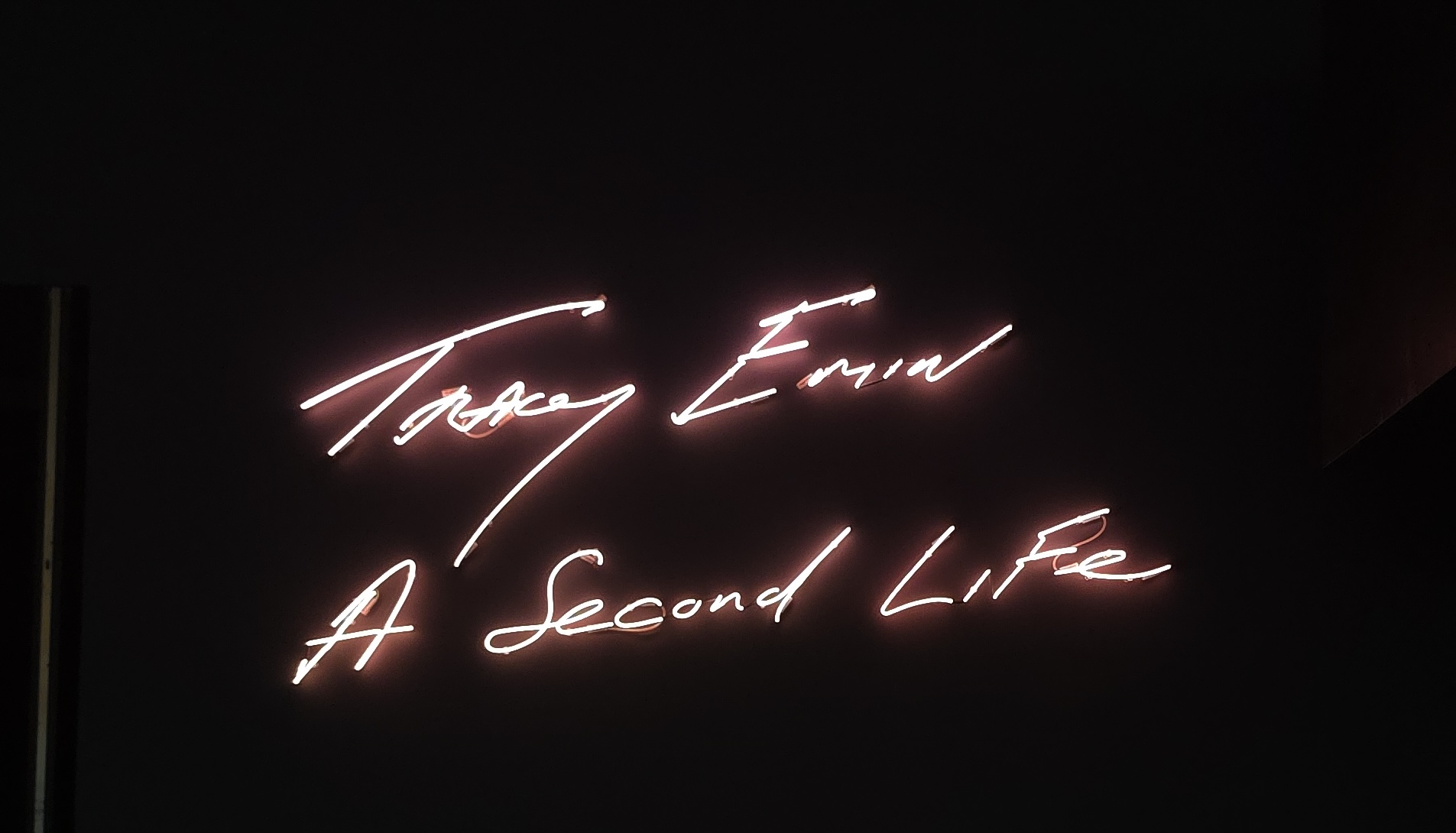
And so, what? This is the basic retort to the statement “I am here” being made by Tracey Emin: A Second Life at the Tate Modern. Failing on so many fronts, the exhibition is ultimately unable to answer the “So what?” question. Emin’s output is art, but barely so, and it is art only because the Tate says it is. And thanks to its complicity, the Tate is a partner in Emin’s failures. The Tate, however, goes further, and compounds the failure of the art by serving the public a shabby exhibition. Hence, Tracey Emin: A Second Life at the Tate Modern is a catalogue of failures: of art, as a curatorial strategy and a hanging exercise. Furthermore, on failures, is the aesthetics and anyone remotely familiar with the yBA gang of Emin, Damien Hirst, Sarah Lucas, Marc Quinn and their extended company will know aesthetic failure is not only contrived, but also their forte.
Inaccessible Exhibits
It was part of the gallery experience, both amusing and painful, watching others slowly lose the will to live as they struggled to read bad handwriting, in unconventional coloured pens, on acid-coloured papers.
Emin’s art is not opaque and demanding of deep reflection. To reflect on the art, you must be able to engage with it first. In this exhibition, many of the exhibits were visually illegible and physically unapproachable and this is surprising given the contrived and sterile space of a gallery. Right from the beginning the audience encounter barriers to engaging with the exhibition. In room 1, the barrier alarm kept going off as punters leaned closer to see the circa 6cm x 6cm elements of a 180-piece installation, entitled My Retrospective II 1982-1992. Throughout the exhibition were Emin’s personal letters, hung in groups, for us to read and get a sense of the artist. It was part of the gallery experience, both amusing and painful, watching others slowly lose the will to live as they struggled to read bad handwriting, in unconventional coloured pens, on acid-coloured papers. Ultimately, I decided not to engage with these exhibits that did not lend themselves to engagement. Torn between the artist and taking full advantage of the uniquely visual tool of a gallery, the curators folded to the artist, delivering a frustrating experience to the audience.
… Emin alludes to educating us about cancer treatment. This sort of education is on a need-to-know basis and if you are fortunate enough not to have … cancer either personally or indirectly … then you do not need to know.
This exhibition was either frustrating its audience or nauseating them. Neither the frustration nor the nausea had any artistic merit to it. The nausea came in the form of Emin’s cancer treatment/stoma gallery. Approaching the gallery a sign warns us of exhibits of “the artist’s body post-surgery, including her stoma and images of blood.” I heeded the warning and walk briskly through the gallery setting my sights literally on the light at the end of the tunnel or “vortex” avoiding the potentially unsettling exhibits. People should seek out such visceral images of their own volition and not have such images pushed on or dangled before them. In the gallery’s accompanying audio guide Emin alludes to educating us about cancer treatment. This sort of education is on a need-to-know basis and if you are fortunate enough not to have an experience of cancer either personally or indirectly, through a loved one suffering from cancer, then you do not need to know. Outside these personal circumstances, any purported education is the height of arrogance and an unnecessary imposition. Cancer is a scourge we are all aware of and through the 360 degrees surround of broadcast media we have information of how we can empathise and help even if we do not have personal experience of it. Empathy is no more possible through graphic visceral imagery, in fact sometimes it can be a hindrance to empathy.
Vacuous Naval Gazing
All in all, Emin’s art is not inspired by her biography, her biography is the art and its banal bits, of the lurid letters, the cheap and fading family photos, the graphic polaroids, and the unpoetic quotes are meant to be pedestalled exhibits. Through Emin’s output we are supposed to accept an art genre called “autobiographical and confessional artwork.” In this genre all our misdeeds, mistakes, misadventures, mistreatments and traumas are art-worthy. All Emin’s misses are not the inspiration for her art, they are her art, and quite conveniently so. The materiality of a graphic polaroid, for example, is lazily exploited and easily hung up a gallery exhibit.
This is bad art because, visually Emin’s art is not compelling, in most cases the canvases are vacant.
So, is Emin’s output art? Yes, it is, if institutions like the Tate Modern says so. The next question is then; is this worthy or good art? This is bad art because, visually Emin’s art is not compelling, in most cases the canvases are vacant. Both the canvases and the other art media present naval gazing, and this coupled with visually inept work must be the worst kind of art. The demerit of naval gazing, vacuous art is that it relies on reams of commentary for its validity. Some of the commentary that validated this show was in the audio guide the Tate published to accompany the exhibition. We should not be afraid to say this bad art, despite the endorsement of the Tate and a damehood. Afterall, Institutions sometimes get it wrong and powers are notorious for missteps and abuses. Emin herself tells us that she is prone to delusions. This was the inadvertent message couched in the Room 2 video work, Why I Never Became a Dancer, in which Emin’s dreams of becoming a dancer were thwarted by slut shaming. What is intriguing about this exhibition is seeing how the Tate buys into Emin’s delusion and in effect exhibits institutional delusions, itself.
Propaganda audios
The audio guide that accompanies the exhibition presents the extent to which institutional delusion has buoyed Emin’s career. In the guide we hear self-contradictory statements like “Tracey’s work is not about the shock tactics that some of that work was aiming for”. How can you deny being shocking if that is what you aimed to do? Or how can you object to being called shocking if you intended to shock as opposed to aesthetically entice, or elicit a deep engagement? A shock repels and shuts down. A shock might, but rarely, leads to a return, reconnection and conversation.
There is no denying lacking in beauty or just a “mess”, as worthy adjectives for Emin’s output, however used in the quote above these descriptions are pawns in the game of the “emperor’s new clothes” that cloaks Emin’s outputs.
The audio guide is more of propaganda than an education about Emin’s outputs. To justify the inclusion of Emin’s notorious unmade My Bed 1998 in this exhibition, we are told:
“…seen in the context of today… artists, writers see auto-fiction differently, the idea of owing and telling your own story without a filter. I think in the age of social media, it’s much more legible. This idea of creating a self-portrait which isn’t about you looking perfect or beautiful. It’s about exposing the reality of your life, the mess of life, the vulnerabilities, pains and struggle.”
There is no denying lacking in beauty or juts a “mess”, as worthy descriptions for Emin’s output, however used in the quote above these descriptions are pawns in the game of the “emperor’s new clothes” that cloaks Emin’s outputs. Mess and ugly are deluded badges of honour, the idea being, we the audience, validate these adjectives. The audio guide is littered with statements like the one above which makes one wonder if these supposedly highly educated commentators understand the society and times they live in. An example of not reading the contemporary room, is the quote’s reference to social media. For a voice of authority to still hold up social media as an example of authenticity and a safe place for people to bring an “(un)filtered” “self-portrait without you looking perfect” is ironic, if it was not so perplexing. It is thanks to the social media culture that the word “filter” itself with all its negative implications has literally become part of our common lexicon. It has been understood and widely accepted that most use of social media is about filtering, feigning beauty and a false representation of perfection. Furthermore, we are now aware that on the contrary, broadcasting real vulnerability through social media can at best leave you over-exposed and at the worst get you into real trouble and sometimes physical danger. The authenticity esteemed here only serves to feed voyeurism.
Worthy blankets
With or without bodily fluids, real or implied, Emin’s blankets work, but they are the only exhibits that do in the show.
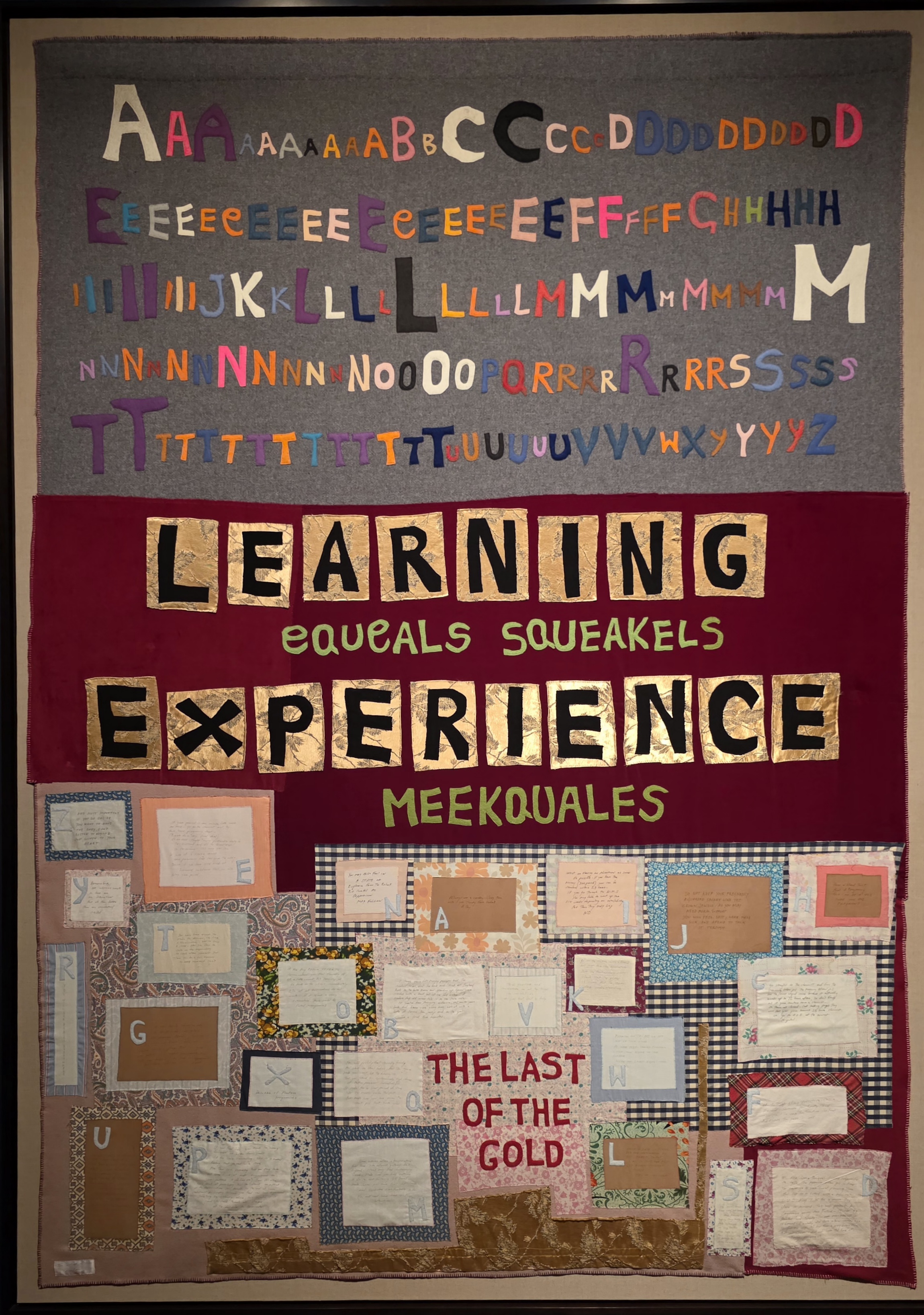
Noteworthy, amid tired shock tactics, inaccessible exhibits and banal videos, are Emin’s texted-based applique/patchwork blankets. The text of the visually engaging blankets invites deserved curiosity. The text presents funny messages, and the spelling-mistakes and grammatical errors are amusing, although you suspect they are contrived. Even funnier are Emin’s visual device of spermatozoa in motion, appliqued in strategic locations of her blankets. Again, are we meant to be shocked? If shock is intended, again Emin is behind the curve. Well ahead of her are conceptual artists like Marcel Duchamp and Latin American artist Mario Castillo, who used their own semen as a medium in their art, creating the “body art”, and the more curiously titillating niche “semen art” genres. With or without bodily fluids, real or implied, Emin’s blankets work, but they are the only exhibits that do in the show.
While being aware of Emin for decades, this was a first experience of an exhibition of her work. Alongside the long years of awareness is knowledge of the caustic takes on Emin by critics like Brian Sewell. After seeing this exhibition the jury is in, the venom of Sewell and other critics was well aimed.
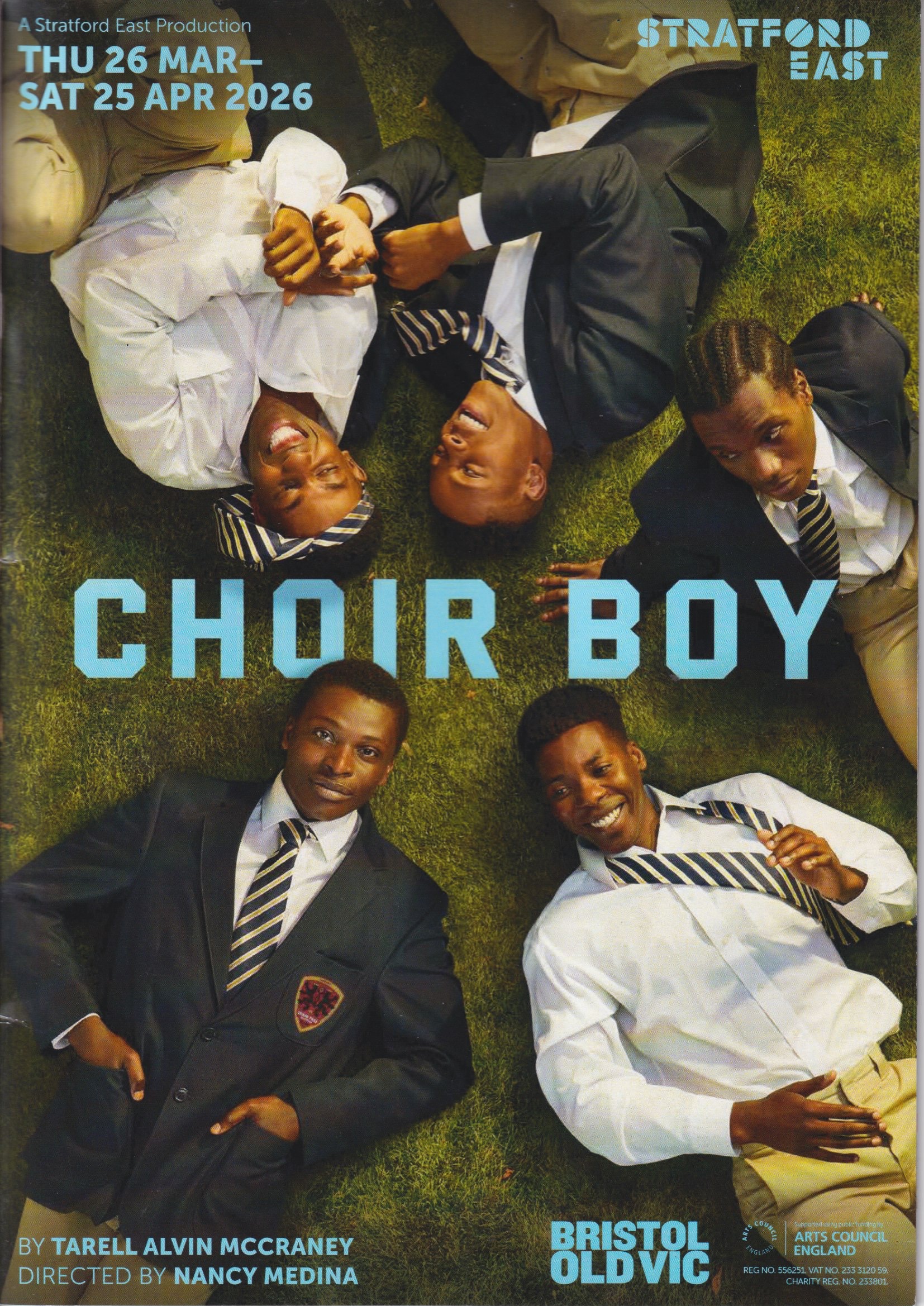
Spoiler alert, the N-word is used several times in the Choir Boy. While this derogatory might jerk you out of your theatre seat, what glues your eyes and ears to the stage are the plot, the a cappella numbers and the presence of the boys, yes, the choir boys. While the Choir Boy is the story of Pharus, “a confident and gifted singer who has earned his position as soloist” in the choir of Charles R.Drew Prep School for Boys, we hear and get the voices and stories of four other choir boys. The plot works thanks to the tension, sexual and otherwise, between the five boys and the story blossoms with the a cappella harmonies and solos of the five choristers.
McCraney’s Choir Boy talks about the delicate balance between the individual versus cultural and social spaces.
Choir Boy is written by Tarell Alvin McCraney. McCraney gave us the Oscars and Golden Globes winning Moonlight (2016). Having not seen Moonlight, as cultural significant as it is, parallels with the film will not be drawn here. It is however valid to say that Choir Boy echoes Moonlight’s themes of homosexuality and coming of age. McCraney’s writing is incisive. McCraney’s Choir Boy, which premiered in 2102 at London’s Royal Court Theatre, talks about the delicate balance between the individual versus cultural and social spaces. Those spaces or life moments, like the barber shop, our school days or even family life, that we uphold and reminisce about. Those spaces that became unsafe or those moments that we misremember as homely, warm and safe, simply because the social kink in our personality was exposed is what McCraney confronts us with. Reading McCraney’s entry in the show programme you get the sense that Pharus, the chief protagonist, was the person he wished he, McCraney, had been as a student. McCraney drew from his young experience as well as writing to sooth his younger self.
How, while being true to and protecting yourself, do you negotiate the globally accepted but mainly unwritten honour codes?
Through the medium of a cappella the plot addresses some deep questions we would rather ignore. Who or what is your true self in a socially precarious world? How, while being true to and protecting yourself, do you negotiate the globally accepted but mainly unwritten honour codes? While, answering these questions with a cappella, the five men in their chorister roles shine equally. Terique Jarrett is sublime as Pharus, and true to the character he plays more than earns his place as the chief protagonist and lead chorister. All the men got to express a physical presence and an impressive presence it was, most impressive was Michael Ahomka-Lindsay as David, along with his a cappella solo. A standout performance came from Khalid Daley as Junior/JR and this was simply because as well as sing he got to act, sometimes without lines. Daley’s delivery as the nervous and torn between loyalties teenager, in more than one scene was precise, the right expressions, the apt stammer, and the measured gestures.
When this production moves to a larger and more diverse audience, as it should rightfully do, with the music beefed up by a backup choir, elaborate choreography and a sumptuous set there are two things Choir Boy should not lose. First, is that the production stays a cappella. Choir Boy is the most delightful vehicle for a strong melodic voice up for a challenge and this cast of choristers were more than up to the task.
…the production as it is exposed to a diverse audience, should keep the numerous uses of the N-word.
Secondly, and in the spirit of challenges, the production as it is exposed to a diverse audience, should keep the numerous uses of the N-word. A diverse audience will spark debate about its use and validity in today’s Euro-American multi-cultural societies. Who owns the N-word is one of the questions Tarrell Alvin McCraneys’s Choir Boy asks. This is because who owns the N-word is one question McCraney asks rather subtlety in the Choir Boy. It is when this question is asked that we fully engage with Mr Pendelton, the one white character in the black cast.
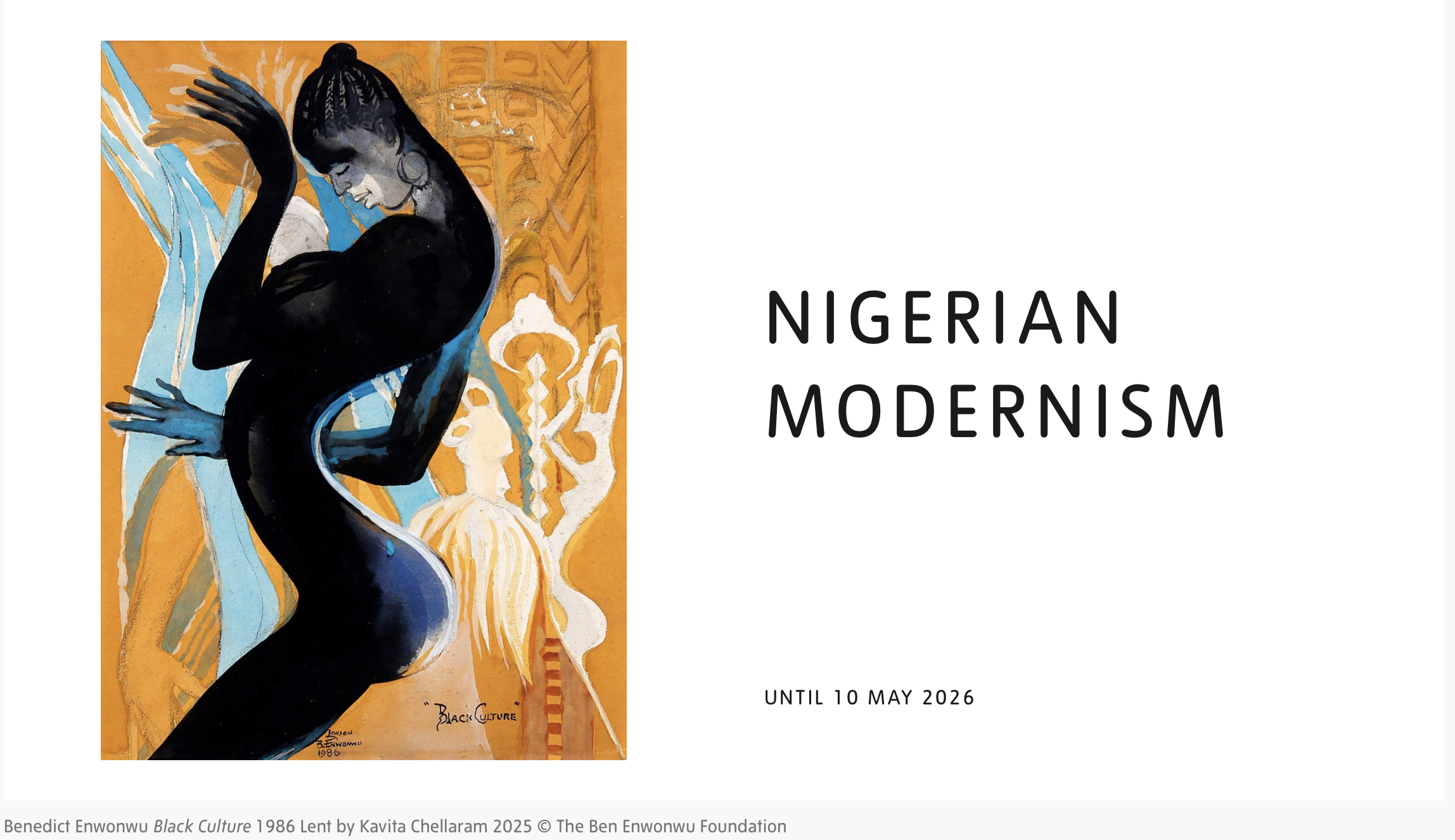
An A for representation to the Tate Modern on its exhibition Nigerian Modernism. With this exhibition Tate continues its bid to show representations of twenty-first century self-consciousness beyond Europe and the geopolitical North. Hence, the exhibition continues an annual focus on modernism and 20th/21st century civic consciousness in Africa. In 2024 it was a focus on South Africa through the art of the activist photographer Zanele Muholi, and in 2023 the pan-African photography exhibition “A World in Common: Contemporary African Photography”.
While Nigerian Modernism as suggested by Tate Modern puts art from non-Western cultures on a par with the geopolitical North, the exhibition is shallow and full of gaps. The separate rooms representing the Nsukka, Osogbo and the Zaria schools is a valid reflection, through art, of the three key tribes and geographical regions that formed a federal Nigeria, pre- and at its independence. The exhibition also had running through it, references to the Nigerian Civil War (1967–70) showing the reality of inter-tribal dynamics. However regional schools or the episode of secession are not the revelatory or challenging stories that the exhibition could tell. The deep and spectrum of stories available to the show, required the exhibition to step out of the traditional model of curating and a shift from the autobiographical/attribution obsession practiced in Western art history.
For Tate’s Nigerian Modernism the archive at hand was not enough.
Of course curators are essentially art historians, hence their default fodder are archives. An exhibition focused on the archives is a collection, merely of low-hanging fruit, easily accessible to the curator, whether they tell a coherent story or not. For Tate’s Nigerian Modernism the archive at hand was not enough. Hence the exhibition was an anticlimax and an injustice to a living, breathing, global Nigerian community. The Tate Modern, might be located in London, Britain, Europe, but a significant part of the London audience is the Nigerian and West African diaspora which is global and in effect desire a robust representation, warts and all.
While deep; the colour palette is rich, varied and vibrant, presenting visually arresting works.
Seeing these works in succession as one installation, it becomes obvious how deep the Nigerian colour palette is, and might historically have been. This deepness is as opposed to the light, sometimes citric, colours that might be assumed about tropical cultures. While deep; the colour palette is rich, varied and vibrant, presenting visually arresting works. The richly deep palette spread through the rooms themed after the regional schools is valid, as mentioned above, especially when looking through the Western art history lens. Justice was done to the medium of painting and 2D works. Nigerian modernism, however transcended embracing the Western inspired and long honed tradition of painting and a twenty-first century digitally-educated audience deserved more, especially as more was possible
FESTAC 77
Through the medium of FESTAC 77 Nigeria used its newly acquired oil wealth to engage in the practice of soft power on the global stage.
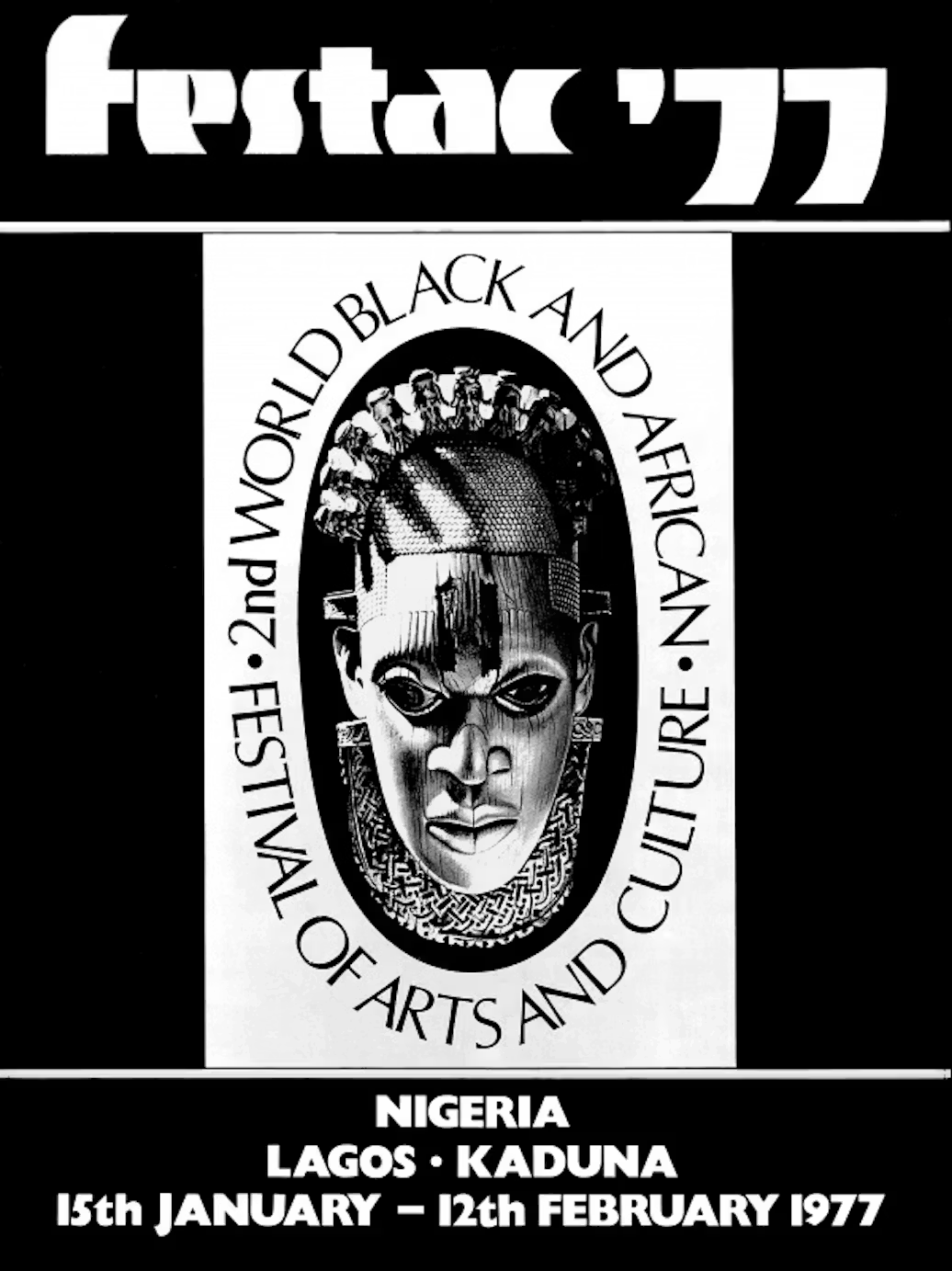
The 2nd World Black and African Festival of Arts and Culture, popularly known as FESTAC 77, which Nigeria hosted in 1977 was handled as a footnote in this exhibition. Referred to only once and used merely as a tool to contextualise the two-day visit to Nigeria, of an artist who post his teenage years, in the 1940s, did not live or practice his art in Nigeria. There was no engagement with the significance of the 1977 Festival of Arts and Culture, not just to Nigeria, but the whole of Africa. Beyond Africa, FESTAC’s tentacles reached the African diaspora both contemporary and historical. FESTAC 77 spliced culture with history to welcome Brazilians, Afro-Cubans and others who identified as Afro-Latino or descendants of Africans globally. Through the medium of FESTAC 77 Nigeria used its newly acquired oil wealth to engage in the practice of soft power on the global stage. Especially in the context of assessing modernism in Nigeria, FESTAC is an integral part of Postcolonial Nigerian art history.
FESTAC 77 was the second of its kind in Africa. The first was the World Festival of Black Arts held in Dakar, Senegal in 1966. After FESTAC 77, there was a hiatus of 30 years. The Pan-African celebration of art and culture was kickstarted in 2010, however with irregular instalments. Nothing on the scale of FESTAC 77 has happened to date. FESTAC 77 was a tour de force of visual culture hence very much within the Tate Modern remit. The absence of the event of FESTAC 77 and its unique archive is an example of why this exhibition was a threadbare story of post-independence/Postcolonial Nigeria and a lost opportunity to showcase Nigerian modernist art practices, milestones and present a truly multimedia, immersive experience.
The absence of the event of FESTAC 77 and its unique archive is an example of why this exhibition was a threadbare story …
The digital promise made to a twenty-first century exhibition audience was broken with the absence of the FESTAC 77 footage. As an arts and culture festival in the golden age of television footage, FESTAC 77, was geared towards stage and performance which meant it generated an inordinate amount of video footage, not just by Nigerian operatives but European and American media. Furthermore, the late 1970s saw the proliferation of colour filming. An abundance of video footage colour was in sharp contrast to the lone badly lit footage of the Duro Ladipo theatre troupe in Room 8 of the exhibition.
Photography
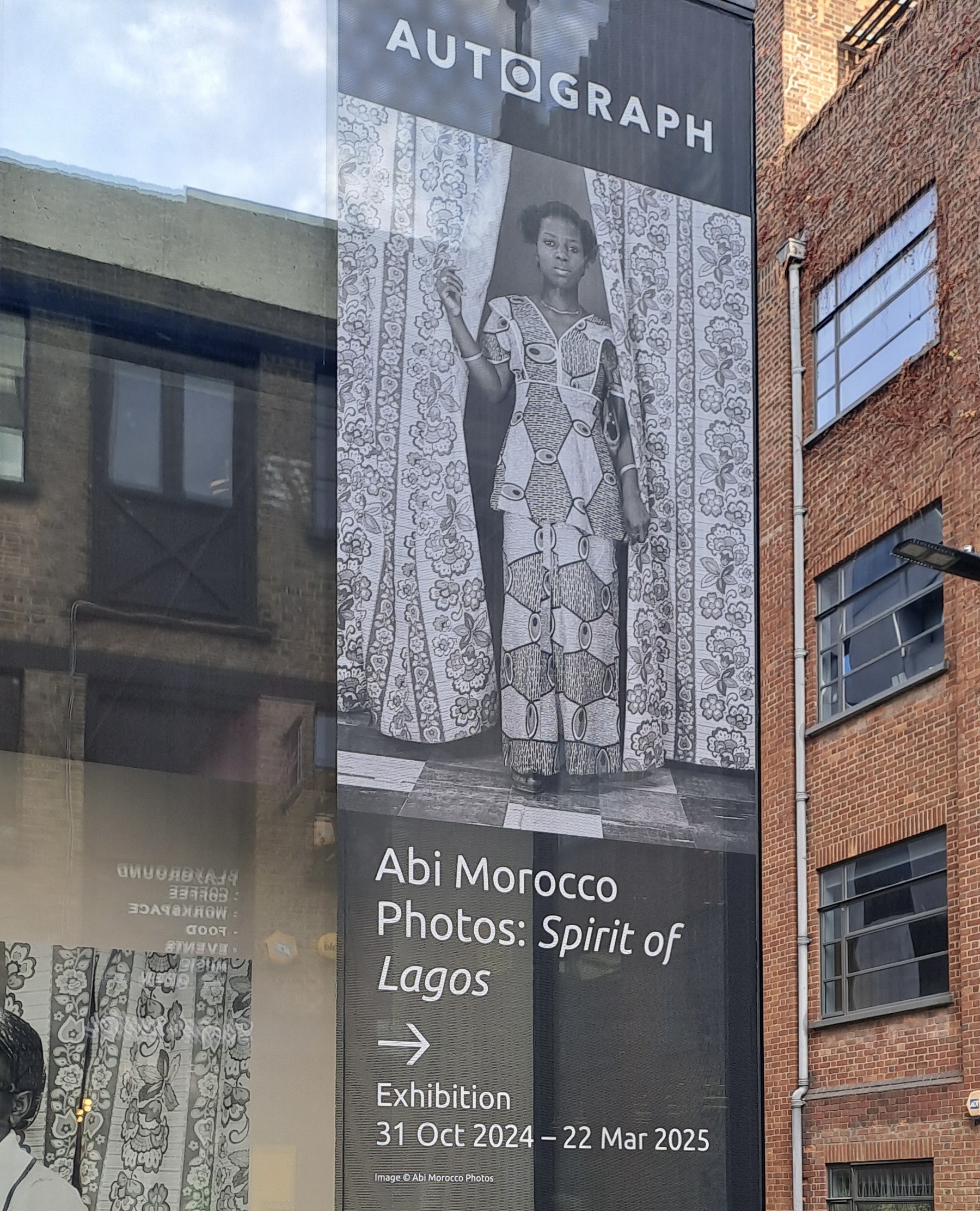
Room 6, entitled ”Eko” focusing on Lagos, the post-independent federal seat of government, and in the 2000s the continued commercial capital of Nigeria. “Eko” was a lost opportunity to showcase the extensive Nigerian photography practice and the Modernism of its visual culture. Photography was widely embraced by Nigerians in the first half of the twentieth century, especially south of the River Niger or the Western and Eastern regions of the federation. As a Nigerian educated middle-class emerged, the use of photography as a tool of self-fashioning, was democratised. Photographic self-fashioning exploded with Nigeria’s independence in 1960. This was highlighted by, for example, Autograph’s London exhibition Abi Morocco Photos: Spirit of Lagos in 2025.
Photographic self-fashioning exploded with Nigeria’s independence in 1960.
Another example of lost opportunity in this exhibition is the example of how the Yoruba people of southwestern Nigeria used photography to reimagine practices of the cult of the Ibeji (twins). Practices of the cult of the Ibeji (twins) centred around wood carvings of statues representing twins which is given, if one of a twin set dies, to the surviving twin and their grieving mother. The transition from carved twins to symbolic photographs of twins and the creative reimagining by the Yoruba was articulated by the anthropologist Stephen Sprague in his seminal academic study of African photography practice “Yoruba Photography: How the Yoruba See Themselves”, (1979). This reimagining by the Yoruba has to be the prime example of modernising and the ultimate within visual culture of the practice of transcending to modernism. The photography the exhibition chose to showcase was the well-worn lifts from the archives of Nigeria still in its colonised state, presenting a metaphor of a still-shackled people.
Fela Kuti
Nothing could have added edginess, animation and the vibrancy of music, which the Nigerian culture has become synonymous with, like the inclusion of Fela Ransome-Kuti. Fela Kuti’s scope was beyond the music he was famous for, encompassing recorded live performances, art, fashion and international artistic collaborations. Kuti even stretched into Postmodernism, staging debate-triggering live performances. Fela Kuti’s oeuvre, would have told a robust national story and given a vivid socioeconomic context to the richly deep canvases in the exhibition. The iconoclastic Kuti was the soundtrack to an emerging modern Nigeria in the cultural, social and sociopolitical spheres.
This exhibition is more of a Western entity’s coincidental acquisitions and purview, than it is a Postcolonial assessment of … a post-independent Nigeria.
Alongside the rich palettes of paintings in the show, the exhibition hinted at other media. However the attempts at these other media were feeble and an anticlimax to a London audience that includes a noteworthy Nigerian diaspora. While the paintings served an art history narrative, within the missing media was the Nigerian story and the connection to a live and kicking global community. This exhibition is more of a Western entity’s coincidental acquisitions and purview, than it is a Postcolonial assessment of or insight into a post-independent Nigeria.
Nigerian Modernism: Art & Independence is on at Tate Modern until 10 May 2026.
Accra we dey or, rather, if you happen to be in Accra, Ghana this
August. 2025, here is something for you. Thursday, the 21st of August sees the opening of the solo exhibition of the artist Edward Ofosu.
A former resident of London, UK, Ofosu is now based in Ghana
making and riding the waves of the Accra art scene. While in London, Ofosu was on the forefront of the digital art scene. He was an early adopter of iPad art, which he speedily mastered leading him to transition from being an art student to teaching digital art at the Hampstead School of Art, in north London. Even Apple Inc., the purveyors of the iPad fell under the spell of Ofosu’s zeal for iPad art and he was hosted to give masterclasses in iPad art at the Apple Store, Covent Garden, London.
He was an early adopter of iPad art, which he speedily mastered…
David Hockney by Edward Ofosu 2014 (iPad art)
Ofosu is a keen disciple of the legendary artist David Hockney. In Hockney, Ofosu recognised a kindred spirit.
Ofosu is a keen disciple of the legendary artist David Hockney, in
whom Ofosu recognised a kindred spirit. Hockney, despite being a veteran of the international art scene from the 1960s onwards, stepped into the 21st century, embracing digital art.
With this solo exhibition, entitled Rhythm of the Soul, Ofosu aims to be a dancer giving himself over to “art to express itself through me” as it sees fit, be it through painting, sculpture or installation. Rhythm of the Soul, will be Ofosu’s second show at the La Foundation of Art, Accra (LAFA). He debuted at LAFA with his contribution to the group show In Search of Blue in 2024.
With Rhythm of the Soul Ofosu uses the media of “locally sourced repurposed and environmentally conscious materials”. He pairs his consciousness media with social issue subject matters. A LAFA Instagram post features Ofosu installing a large appliqué entitled Another Black Boy Got Shot. With his considered media and thought provoking themes Ofosu moves away from his beloved digital art and his years of portraiture practice.
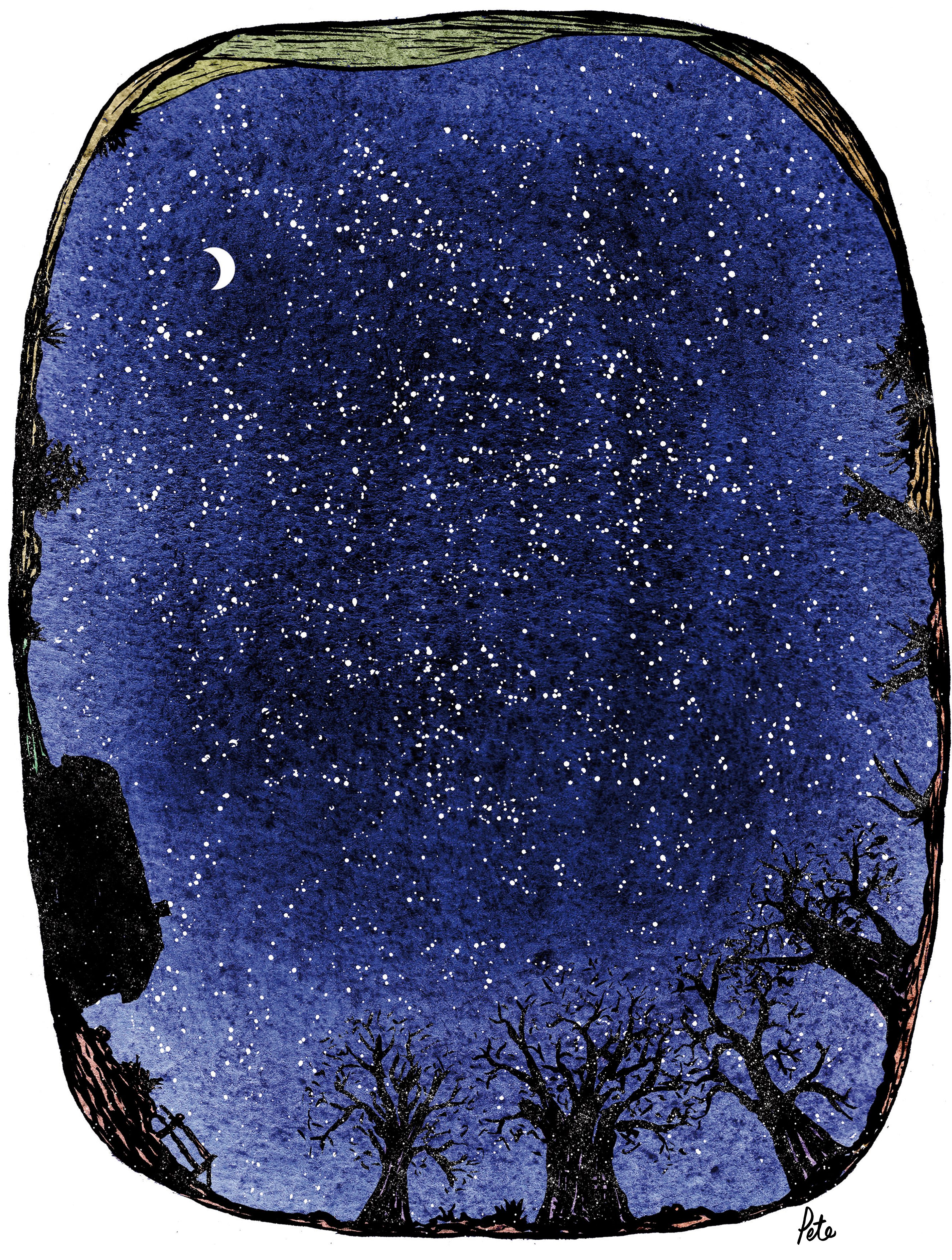
So, it’s not spring yet, well that’s because the rich deep colours of the winter months still have much to offer. It will be a shame to dispense with the desires to cuddle and snuggle so early in the year. Peter Webb’s The Year in 12 Scapes II explores stubborn winter desires, rich English meadow greens and mysterious deep blues. The illustration uses the elements unique to the Valentine month to create subliminal images.
Peter Webb, The Year in 12 Scapes II
Inspired by the palette of the Pre-Raphaelites The Year in 12 Scapes II’s blend of velvet hues are hypnotic. Inviting you into the landscape it depicts, its colours beg you to explore its depths and unlock its mysteries.
This is a piece of art that needs to be gazed at intermittently over the course of years. Explore the allure of The Year in 12 Scapes II, share and subscribe for Peter Webb’s next instalment. You can also revisitThe Year in 12 Scapes I.
Well it’s The Year in 12 Scapes so we had no choice but to start with January.
Peter Webb, The Year in 12 Scapes I
The artist illustrator, Peter Webb, has reimagined the calendar year in 12 colourful illustrations, invoking the essence of each of the 12 Gregorian months. Each of the images depicting the months is inspired by the Somerset landscapes of his childhood.
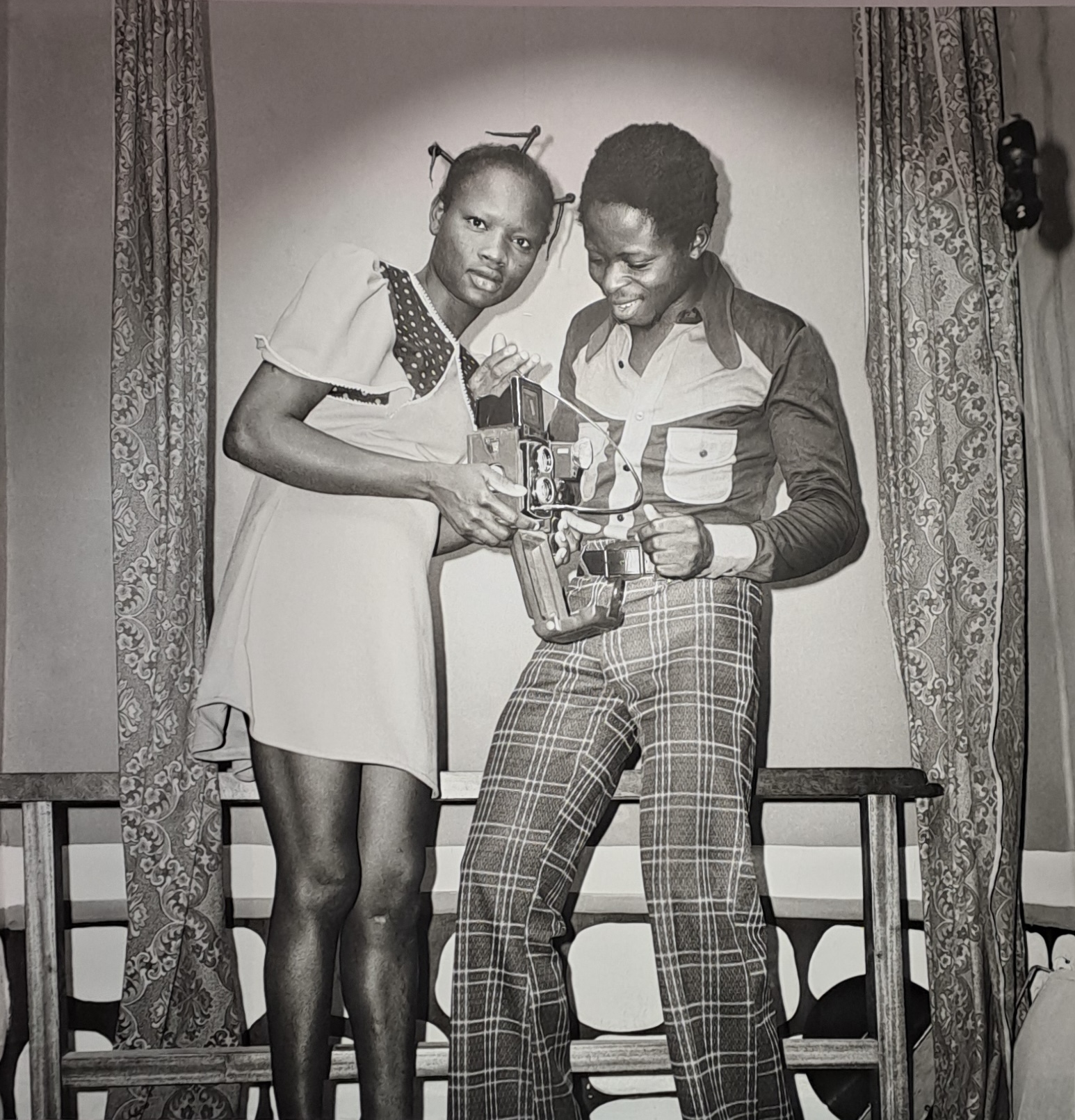
Abi Morocco Photos: Spirit of Lagos at Autograph London reveals an African agency of modernity, the knowledge of which surprisingly is just recently being revealed to the West. The exhibition is a window on the thriving and burgeoning metropolis of Lagos in the 1970s. Lagos was booming then in the 1970s because it was the capital of Nigeria where crude oil, the black gold, had just been discovered and the toddler republic was making its debut on the global economic stage.
Abi Morocco Photos was curated by Lagos Studio Archives and Bindi Vora. Lagos Studio Archives “is an ongoing cultural preservation and artistic project”. The project’s goal is “to preserve … the legacy of Nigerian studio photography”. The process of preserving includes broadcasting the unique aesthetic and philosophies of this rich cultural archive through, for example, exhibitions such as Abi Morocco Photos at Autograph London. Lagos Studio Archives’ endeavour is no mean feat coming with manifold challenges.
The project’s goal is “to preserve … the legacy of Nigerian studio photography”.
One challenge is finding the life works of the photographers and studios, as the project itself highlights that it was inspired by the discovery “that many archives were being destroyed, discarded and stored away in humid conditions”. It is the conditions that many film negatives that the project eventually finds that poses another challenge, as this demands the time intensive tasks of sorting, cleaning and attempting to salvage material that had been poorly stored for decades. Salvaging and making swingeing decisions about cultural and historically significant materials is emotive.
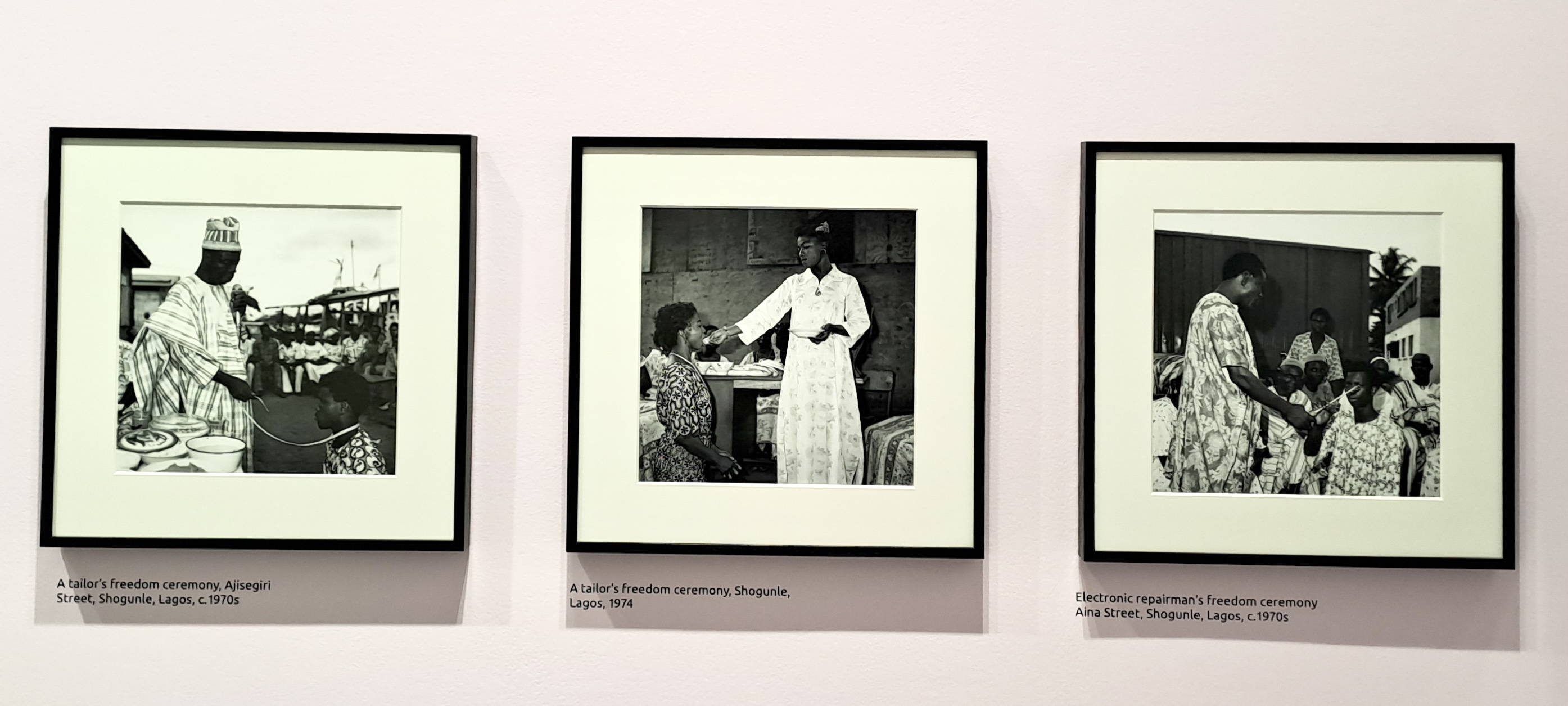
Abi Morocco Photos is a capsule look into the life of Lagosians in Nigeria’s booming 1970s. What the exhibition presents is broadly labelled studio portraits, studio photography or African studio portraiture, however much of what you see takes place outside of the studio and is a lot more fascinating than mere portraiture. In spite of this being more than portrait photography the photographs in the show tell the story of self-fashioning which is essentially what commissioned studio portraiture is about. Taking the beauty of self-fashioning out of the photo studio and infusing it with the daily lives, work and play of Lagosians to tell an engaging aesthetic story was the genius of the photography the married couple, Abi Morocco Photos and their numerous fellow Lagos and wider Nigerian photographers.
That the performance is captured at its optimum and at the key moment is the concern of both the patron and the photographer.
To the extent that photos of this exhibition are “beguiling portraits” is due to how the photographs are infused with indigenous practices, faith beliefs and ideas of cultural self-expression. The sitters who are the patrons who have commissioned the photographer are in full collaboration and are co-creators with the photographer in the process and act of performance. That the performance is captured at its optimum and at the key moment is the concern of both the patron and the photographer.
Abi Morocco Photos: Spirit of Lagos is an insight into unique expressions of modernity and practices not duplicated across other cultures. Located in London with its cosmopolitan population, the exhibition is an opportunity for intriguing travel back in time to another part of the world and distinct culture, without taking an air flight. The traveller will see curious practices and will ask questions of these photos. These will be apt questions about the photographs’ performative story and the fascinating richness of their detail.
Both the exhibition and its content are a labour of love. The exhibitions content is the output of Abi Morocco Photos, a husband and wife run studio and business partnership that thrived over decades. Continuing in the spirit of long commitment, is the exhibition itself which is the result of years of work by Lagos Studio Archives, a project began in 2015, tasked with and inspired by the rise to a challenge.
Abi Morocco Photos: Spirit of Lagos is at Autograph, London until the 22nd of March 2025. This a free exhibition you can book in advance to visit.